We put together 12 effective strategies to raise money for your nonprofit. Learn practical tips to increase donations and support your mission. Read the article now!
NOTE ON FRESHNESS: Grant amounts, deadlines, eligibility windows, and contact information for the programs and foundations listed below change frequently and may already be out of date. Before applying to any specific opportunity, verify amount, deadline, and eligibility directly on the funder’s website. This article provides a starting map of relevant programs and where to look, not a definitive snapshot of current cycles.
12 Proven Ways to Raise Money for Your Nonprofit (2025 Guide)
Securing funding for your nonprofit isn’t just about asking for money, it’s about building relationships, showcasing impact, and creating multiple revenue streams that sustain your mission. Yet many nonprofits struggle with outdated fundraising approaches that leave money on the table and donors disconnected from their cause.
This comprehensive guide explores 12 proven fundraising methods that blend traditional approaches with digital innovations to help you:
-
Create sustainable funding streams that reduce financial uncertainty
-
Build stronger donor relationships that lead to increased funds
-
Leverage technology to expand your reach and streamline your fundraising efforts
P.S. Teams using AI-powered grant writing tools like Grantboost can now manage their entire monthly grant workload in the time it once took to complete just one application. This tool is revolutionizing the grant writing process, making it faster and easier for music education programs to apply for grants.
Stick around to learn more!
Start winning more proposals with Grantboost!
For individuals and teams looking to secure more funding with less effort. Streamline your grant-writing process, stay organized, and achieve better results with proven templates and AI-driven proposals.
TL;DR
-
Launch peer-to-peer fundraising campaigns that empower supporters to raise funds on your behalf, generating 2-3x more new donors than traditional methods
-
Host signature fundraising events like galas, community walks/runs, or virtual events to raise funds while building community
-
Implement direct mail campaigns with personalized stories, clear calls to action, and QR codes linking to online donation options
-
Sell online courses and digital products related to your mission to generate revenue while educating supporters
-
Use crowdfunding for special projects with clear goals, compelling visuals, and meaningful perks at different donation levels
-
Develop a major donor program by identifying prospects, cultivating relationships through personalized engagement, and making specific asks
-
Apply for grants from foundations, corporations, and government agencies that align with your mission and programs
Online Fundraising Strategies
Digital fundraising continues to grow steadily, with online giving projected to increase by 4.2% in 2024 and 3.9% in 2025. Let’s explore the most effective online strategies to raise money for a nonprofit.
Create a User-Friendly Donation Website
Your donation website isn’t just a place to collect donations, it’s often the first impression donors have of your organization and a critical tool for converting interest into action.
The foundation of effective online fundraising includes:
-
Streamlined donation process to ensure donors can complete their transaction in three clicks or fewer. From the landing page, they should be able to select their donation amount, enter payment details, and receive confirmation without extra steps or distractions.
-
Mobile responsiveness as 33% of online donations were made from mobile in 2023. Ensure that all form fields and buttons are 44px to 48px in height for easy tapping, and ensure that your design adapts to different screen sizes with no horizontal scrolling.
-
Multiple payment options including credit cards, ACH transfers, and popular digital wallets such as PayPal, Apple Pay, and Google Pay. This allows donors to choose their preferred payment method, improving conversion rates.
-
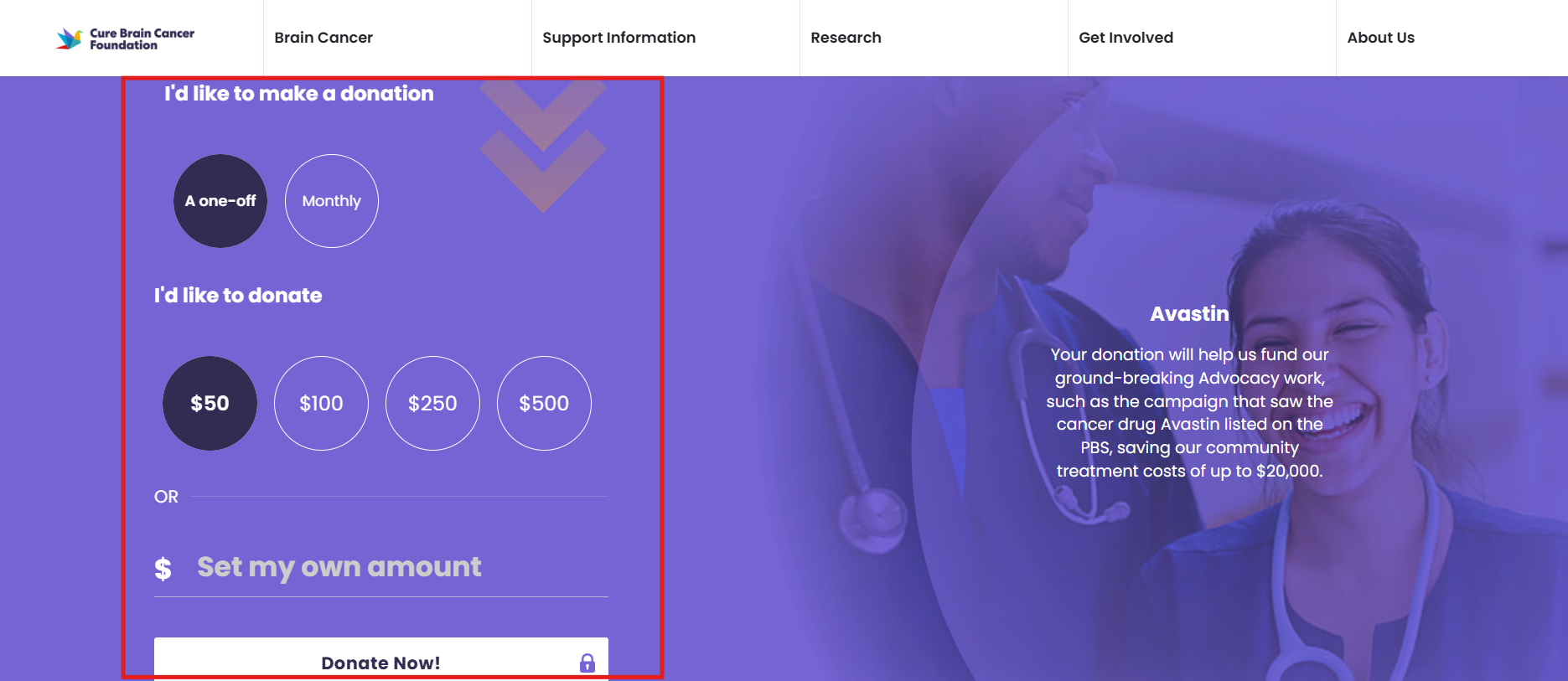
Suggested donation amounts with clear impact statements (e.g., “$25 provides meals for 10 children”)
-
Compelling visuals that show your work in action rather than generic stock photos. Use real images of your beneficiaries, events, or community impact to create an emotional connection.
-
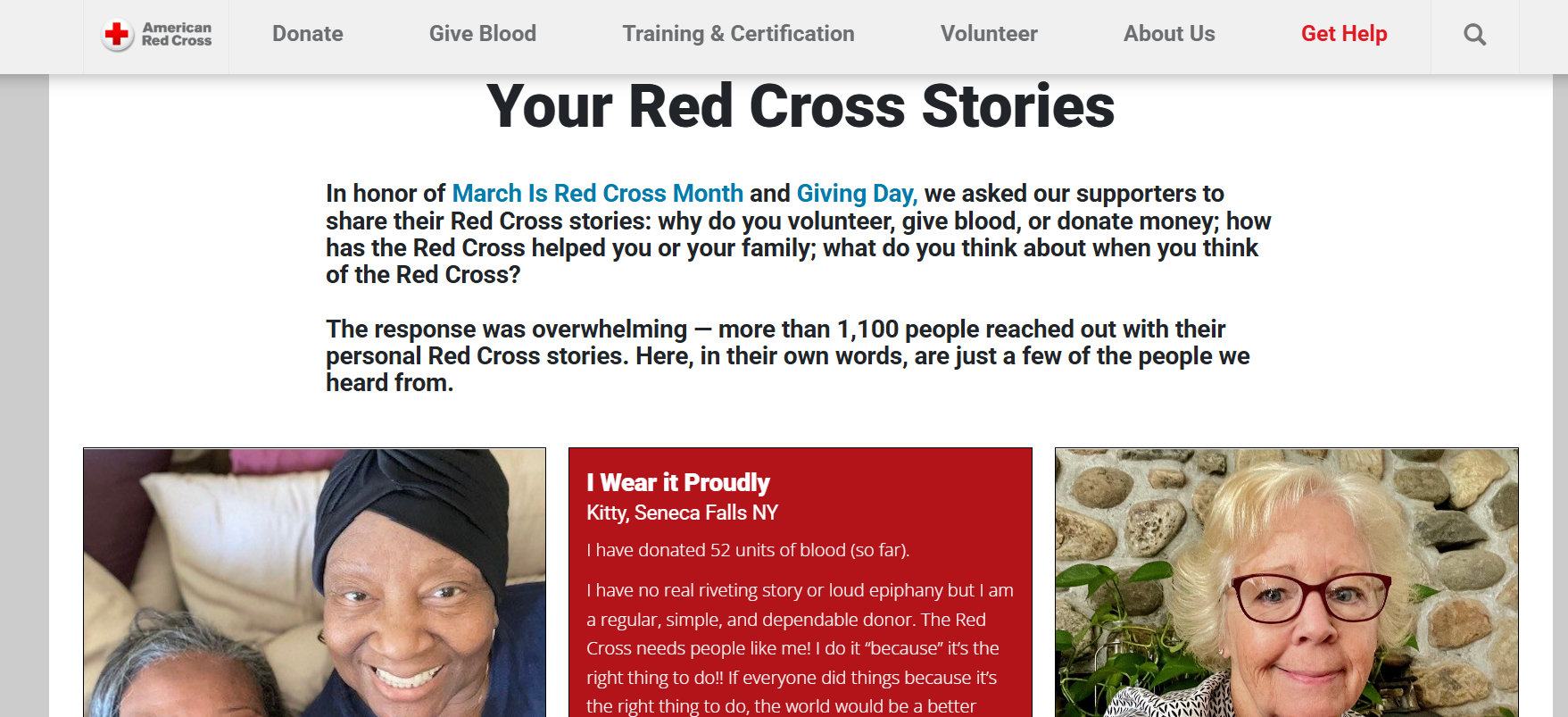
Display testimonials from donors or beneficiaries, charity ratings badges (like Charity Navigator or Guidestar), and a donation counter (e.g., “100 donors this month”). This builds trust and urgency, making potential donors more likely to give.
-
Recurring donation options prominently displayed (monthly giving accounts for 31% of online revenue). Highlight the benefits of monthly giving, such as the long-term impact their ongoing support will have, and position the recurring option in a visible place on the donation form.
How to optimize your donation page:
-
Test your donation flow by having board members and volunteers attempt to donate
-
Add a prominent “Donate” button in your navigation that stands out with contrasting colors
-
Include the option to cover processing fees (approx 70-75% of donors will opt in when asked)
Read Next: The Best AI Grant Writing Tools to Streamline Your Proposal Writing
Launch Peer-to-Peer Nonprofit Fundraising Campaigns
Peer-to-peer fundraising harnesses the power of your supporters’ personal networks, allowing them to fundraise on your behalf.
Why peer-to-peer fundraising works:
-
About 80% of peer-to-peer donors are first-time supporters of the organization
-
Campaigns typically generate 2-3 times more new donors than traditional methods
-
One-time peer-to-peer fundraisers raise a median of $222, while return fundraisers raise $501
Steps to launch an effective peer-to-peer campaign:
-
Select the right platform that offers customizable pages, social sharing tools, and real-time progress tracking
-
Create comprehensive fundraiser toolkits including email templates, images, and storytelling frameworks
-
Set realistic individual and campaign goals based on your fundraiser network size
-
Implement gamification elements such as digital badges, leaderboards, and progress thermometers
-
Provide ongoing coaching and support through regular check-ins and recognition
Campaign types that work well with peer-to-peer:
-
“A-thon” events like walks, runs, bike rides, or dance marathons
-
Challenge-based campaigns such as polar plunges or step challenges
-
DIY fundraisers tied to birthdays, memorials, or personal milestones
-
Team-based competitions between departments, schools, or community groups
Applying for multiple grant opportunities?
Simply paste or input grant opportunity details, and the AI will extract and analyze the information to craft effective, tailored responses, saving you time and ensuring your proposals align with each grant’s specific requirements.
Establish Recurring Donation Programs
Monthly giving programs provide the financial stability nonprofits need while making it convenient for donors to provide ongoing support. Recurring donors stay engaged for more than eight years on average, compared to just 1.68 years for one-time donors.
How to build an effective recurring giving program:
-
Create a dedicated monthly giving program with a distinctive name and identity
-
Highlight the impact of sustained giving with concrete examples:
-
“Your monthly gift of $25 provides 10 meals each month to families in need”
-
“Join our monthly giving circle to fund one week of shelter each year”
-
-
Make the signup process frictionless by:
-
Offering both credit card and ACH payment options (ACH donors are retained 20% longer)
-
Pre-selecting the “monthly” option on donation forms
-
-
Provide exclusive benefits for monthly donors such as special content, recognition, and early access to events
-
Implement a robust retention strategy with welcome communications, regular updates, and a plan for handling failed payments
Pro tip: Frame monthly giving in terms of affordable daily amounts. “$30 per month” becomes “just $1 per day” to provide clean water, education, or other tangible benefits.
Traditional Fundraising Methods That Still Work
While digital strategies are essential, traditional fundraising methods remain powerful when executed well.
Corporate Partnerships
Corporate partners can provide significant funding while helping businesses meet their corporate social responsibility goals.
Types of business partnerships to pursue:
-
Event sponsorships for galas, runs/walks, or community programs
-
Cause marketing campaigns where purchases trigger donations
-
In-kind donations of products, services, or expertise
-
Employee giving and volunteer programs that multiply individual impact
-
Matching gift programs that double employee donations
How to create successful business partnerships:
-
Research and target the right companies whose values align with your organization’s mission
-
Create tiered sponsorship packages with clear benefits at each level
-
Focus on mutual value by highlighting brand alignment, audience access, and employee engagement
-
Maintain strong relationships through regular impact reporting and recognition
Example partnership structure:
| Level | Investment | Benefits |
|---|---|---|
| Bronze | $2,500 | Logo on website, social media mention, event tickets (2) |
| Silver | $5,000 | Bronze benefits + newsletter feature, program ad, event tickets (4) |
| Gold | $10,000 | Silver benefits + speaking opportunity, press release, branded content, event tickets (8) |
| Platinum | $25,000+ | Custom partnership with exclusive naming rights, major visibility, VIP access |
Host Signature Fundraising Events
Well-executed events build community, create memorable experiences, and deepen relationships with supporters.
Types of fundraising events with proven success:
-
Galas and formal dinners with silent/live auctions
-
Athletic events like runs, walks, golf tournaments, or cycling events
-
Educational programs featuring expert speakers or panels
-
Experiential events such as wine tastings, cooking classes, or tours
-
Virtual or hybrid events that expand reach beyond geographic limitations
Steps to create a successful fundraising event:
-
Set clear goals beyond just dollars raised (new donors, major gift prospects, media coverage)
-
Build a comprehensive budget including venue, catering, marketing, and contingency funds
-
Create multiple revenue streams within the event (sell tickets, sponsorships, online auction, merchandise)
-
Develop a detailed marketing plan with email campaigns, social media, and ambassador outreach
-
Focus on excellent attendee experience with smooth registration, compelling storytelling, and easy giving options
Pro tip: Create a “signature” annual event that becomes associated with your organization and that supporters look forward to each year.
Implement a Direct Mail Nonprofit Fundraising Strategy
Despite the digital revolution, direct mail fundraising remains a powerful fundraising channel, particularly for acquiring new donors and reactivating lapsed supporters.
Elements of effective direct mail fundraising appeals:
-
Compelling outer envelope that encourages opening
-
Powerful letter with:
-
Personal greeting using the donor’s name
-
Emotional story that illustrates your impact
-
Clear explanation of the need and urgency
-
Specific ask with suggested gift amounts tailored to the donor’s giving history
-
A “P.S. section” that reinforces the call to action (the most-read part of the letter
-
-
Response device with pre-filled donor information, clear gift options, and QR code linking to online donation
-
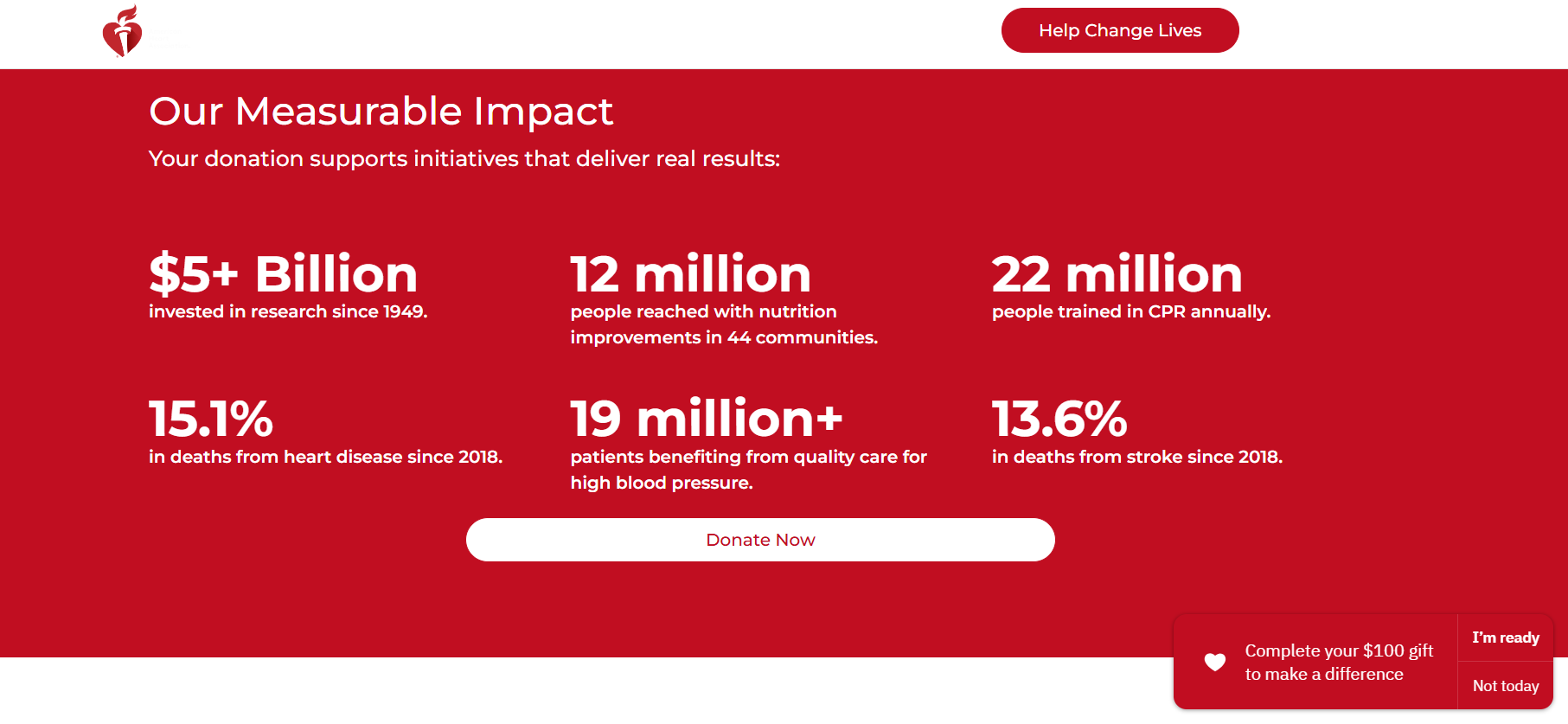
Additional inserts with impact infographics, photos, or testimonials
Best practices for direct mail campaigns:
-
Segment your audience for more targeted messaging (e.g., by donation history, demographics, or engagement level)
-
Test different elements like ask amounts, stories, or formats, tailored to each segment
-
Create an integrated campaign with email and social media support
-
Track response rates and ROI by campaign and segment to refine future efforts
Digital-Age Fundraising Innovations
As technology evolves, new fundraising channels emerge that can help nonprofits reach donors more effectively.
Text-to-Give Campaigns
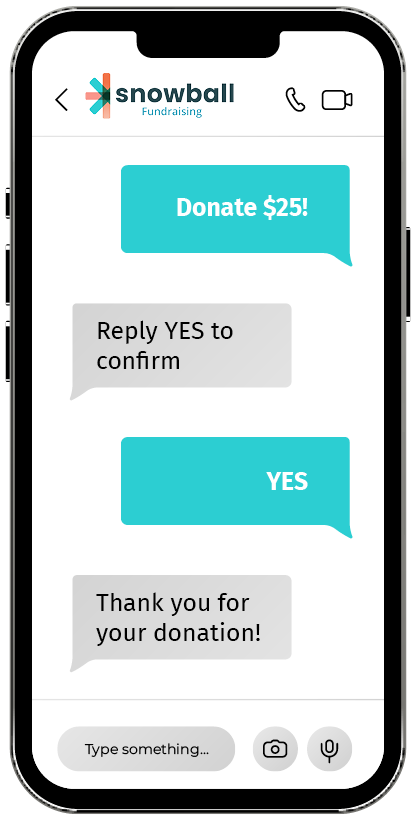
Text-to-give technology makes donating as simple as sending a text message, removing friction from the giving process.
Setting up an effective text-to-give campaign:
-
Choose the right platform based on ease of use, CRM integration, and pricing
-
Create memorable keywords that are short, relevant, and campaign-specific
-
Promote your text-to-give option through events, social media, and print materials
-
Optimize the mobile donation experience with minimal form fields and one-click payment options
Best practices for text-to-give:
-
Send immediate confirmation with a sincere thank you
-
Follow up with impact stories within 48 hours
-
Use text-to-give during live events with real-time displays of progress
-
Consider text messaging for ongoing communication with donors who give this way
BTW, Grantboost’s AI-powered platform assists nonprofits in creating tailored grant proposals. You can quickly generate proposals that align with both your specific needs and the requirements of the grant opportunity, ultimately saving time and increasing the chances of success.
Online Course and Digital Product Sales
Creating and selling digital products related to your expertise allows nonprofit organizations to generate revenue while fulfilling educational aspects of their mission.
Types of digital products nonprofits can create:
-
Online courses teaching skills related to your mission
-
Webinars with expert speakers on relevant topics
-
E-books and guides that share specialized knowledge
-
Templates and toolkits for practical application
-
Exclusive research reports with valuable data
Steps to develop successful digital products:
-
Identify your unique expertise and areas where you can provide valuable knowledge
-
Research market demand through surveys, social media polls, and keyword research
-
Start with a minimum viable product (MVP) to test interest before a major investment
-
Build a marketing funnel with free “teaser” content that demonstrates value
-
Price strategically based on value provided, not just the cost of creation
Crowdfunding for Special Projects
Crowdfunding harnesses the power of many small donations to fund specific projects with clear goals and timelines.
When to use crowdfunding:
-
Capital purchases like equipment, vehicles, or technology
-
Facility improvements or expansions
-
Special programs with defined costs and outcomes
-
Emergency response to unexpected needs or opportunities
Steps to create a successful crowdfunding campaign:
-
Choose the right platform based on fees, features, and nonprofit-specific tools
-
Set a realistic funding goal and timeline (30-45 days is often optimal)
-
Create compelling visual content including photos, videos, and infographics
-
Develop a multi-channel promotion strategy across email, social media, and personal networks
-
Offer meaningful perks at different levels from digital rewards to experiences
Best practices for crowdfunding:
-
Show progress visually with funding thermometers and updates
-
Create time-based incentives like matching gift periods
-
Share donor comments and testimonials to build social proof
-
Provide regular updates during and after the campaign
Hit your funding goals with Grantboost
For individuals and teams looking to secure more funding with less effort. Streamline your grant-writing process, stay organized, and achieve better results with proven templates and AI-driven support.
Grant Funding Strategies
Grants from foundations, corporations, and government agencies can provide significant funding for nonprofits, and for many organizations they’re not a supplement but a foundation. Urban Institute analysis found that about two-thirds of U.S. nonprofits received at least one government grant or contract in 2023, and that the average nonprofit draws roughly a quarter of its total revenue from government sources. Grants clearly belong in any serious fundraising plan (see our full roundup of nonprofit funding statistics for the numbers behind this reliance).
Identifying Grant Opportunities
Finding the right grant opportunities is crucial for success. Not every grant is a good fit for your organization.
Sources of grant funding to explore:
-
Private foundations (family members, community members, or independent)
-
Corporate foundations and giving programs
-
Government grants (federal, state, and local)
-
Community foundations with donor-advised funds
-
Giving circles and collaborative funders
How to find relevant grant opportunities:
-
Use specialized grant databases such as Foundation Directory Online or Grants.gov
-
Research funders that support similar organizations by reviewing annual reports and tax returns
-
Develop a systematic research process with calendars and alerts for deadlines
-
Evaluate fit before applying by assessing alignment with funder priorities and interests
Pro tip: Develop relationships with program officers before applying whenever possible. A brief introductory call or email can provide valuable insights about funder priorities.
BTW, Grantboost’s AI-powered grant writing tool can help you analyze grant opportunities in no time. Just paste or input the grant details, and the AI will extract and analyze the information to craft effective responses!
Writing Compelling Grant Proposals
A successful grant proposal combines clear, concise writing with compelling storytelling and solid data.
Key elements of effective grant proposals:
-
Executive summary that captures the essence of your request
-
Need statement that establishes urgency and importance with data and stories
-
Program description with specific goals, implementation plan, and timeline
-
Evaluation plan that demonstrates accountability with specific metrics
-
Budget that shows responsible financial planning with detailed justifications
Common grant writing mistakes to avoid:
-
Generic proposals not tailored to specific funders
-
Overuse of jargon and technical language
-
Focusing on organizational needs rather than community impact
-
Vague or unrealistic objectives that can’t be measured
-
Budget inconsistencies or unexplained expenses
P.S. Grantboost offers cost-effective plans to simplify the grant writing process. With a Free Plan at $0/month and a Pro Plan at just $19.99/month, our platform helps you create tailored, high-quality proposals quickly and affordably, saving you time and resources while helping you reach your fundraising potential.”
Read Next:
-
Winning Grant Application Examples to Fuel Your Proposal Success
-
The Best AI Grant Writing Tools to Streamline Your Proposal Writing
Managing Grant Reporting and Relationships
Securing a grant is just the beginning. Managing the funds responsibly and building relationships with funders is crucial for long-term success.
Best practices for grant management:
-
Create systems for tracking requirements including reporting deadlines and documentation
-
Document impact with both data and stories that align with proposal objectives
-
Maintain regular communication with funders beyond required reports
-
Address challenges proactively by notifying funders early about significant changes
-
Express appreciation consistently through personalized acknowledgments
Building a Major Donor Program
Major gifts often represent the largest portion of individual giving for nonprofits. Creating a structured approach to identifying, cultivating, and soliciting major donors is essential for fundraising success.
Identifying and Cultivating Major Donors
Where to find major gift prospects:
-
Current donors who give consistently, even if smaller amounts
-
Board members and their networks
-
Event attendees, particularly at higher-priced functions
-
Volunteers with significant involvement
How to identify major gift potential:
-
Analyze your existing donor database for consistent giving history and increasing gift amounts
-
Conduct wealth screening using prospect research tools and public records
-
Create a prospect rating system based on capacity, propensity, and interest
-
Develop individual prospect profiles with personal background and giving history
Effective cultivation strategies:
-
Schedule one-on-one meetings to learn about donors’ philanthropic interests
-
Offer meaningful engagement opportunities such as behind-the-scenes tours or advisory roles
-
Provide personalized communications related to their specific interests
-
Create exclusive experiences with organizational leadership and beneficiaries
Making the Ask and Stewardship
Preparing for a successful solicitation:
-
Determine the right amount based on giving history and capacity research
-
Identify the right project or program that aligns with the donor’s expressed interests
-
Select the right person(s) to make the ask based on relationship strength
-
Practice the solicitation conversation with a clear case for financial support and answers to potential donors
Elements of an effective solicitation meeting:
-
Begin with genuine appreciation for past support and involvement
-
Share a compelling story that illustrates the need
-
Make a direct, specific ask with comfortable silence after
-
Listen actively to the donor’s response
-
Confirm next steps regardless of the immediate answer
Stewardship best practices after a gift:
-
Immediate acknowledgment within 24-48 hours through calls and notes
-
Personalized recognition based on donor preferences
-
Regular impact reporting specific to funded projects
-
Ongoing engagement between solicitations with exclusive updates and personal connections
Diversifying Revenue Streams for Sustainability
Financial sustainability requires multiple revenue sources that can weather economic fluctuations and changes in the funding landscape. For perspective, Urban Institute analysis puts the average nonprofit’s revenue mix at roughly 50% private contributions and fees, 28% government, 18% earned or program income, and about 4% other, a reminder that no single channel should carry your whole budget.
Membership Programs and Benefits
Membership programs create a community of supporters while providing reliable recurring revenue.
Steps to create an effective membership program:
-
Define your membership value proposition with clear benefits and opportunities
-
Design tiered membership levels for individuals, families, and local businesses
-
Create compelling member benefits such as exclusive access, recognition, or discounts
-
Develop efficient management systems for sign-ups, renewals, and benefit redemption
Social Enterprise and Earned Income
Social enterprise models allow nonprofits to generate revenue through mission-aligned business activities.
Types of nonprofit earned income strategies:
-
Product sales related to your mission
-
Fee-for-service programs for individuals or organizations
-
Consulting or technical assistance leveraging your expertise
-
Space or equipment rental utilizing your assets
Steps to develop a social enterprise:
-
Identify potential earned income opportunities based on your expertise and market needs
-
Conduct feasibility analysis examining costs, pricing, and operational requirements
-
Create a business plan with clear value proposition and financial projections
-
Launch with a minimum viable product (MVP) to test and refine your offering
Planned Giving and Legacy Programs
Planned giving represents one of the largest growth opportunities for nonprofit fundraising.
Common types of planned gifts:
-
Bequests through wills or trusts
-
Charitable gift annuities providing income to donors
-
Life insurance policies with the nonprofit as beneficiary
-
Retirement plan designations avoiding tax implications
Building a planned giving program:
-
Start with bequest promotion as the simplest approach
-
Identify potential planned giving prospects among loyal, older supporters
-
Develop educational resources explaining different gift types
-
Create a legacy society to recognize planned gift donors
P.S. With Grantboost’s customizable outputs, you can easily generate tailored grant proposals that follow industry best practices, ensuring your applications are both professional and authentic to your organization’s voice. This means less time spent editing and more time focused on what truly matters.
Read Next:
Smart Fundraising Starts with Grantboost!
Effective nonprofit fundraising combines strategic planning, relationship building, and the right tools to streamline your efforts. By implementing a diverse mix of fundraising strategies, from digital campaigns to traditional events, you can create sustainable funding for your mission.
Key takeaways from this guide include:
-
Diversify your fundraising approaches with both online and offline strategies to reach different donor segments and protect against fluctuations.
-
Focus on building relationships and telling compelling stories that connect donors emotionally to your cause rather than simply asking for money.
-
Invest in user-friendly technology that makes donating easy and provides valuable data to improve your fundraising efforts.
-
Create opportunities for recurring giving to establish predictable revenue streams that support long-term planning.
-
Continuously test, measure, and refine your fundraising strategies based on performance data and donor feedback.
For nonprofits looking to streamline their fundraising efforts, Grantboost’s AI-powered writing assistant can significantly reduce the time spent on grant writing while increasing success rates.
With features like customizable outputs based on your organization’s unique voice and proven grant writing strategies built into the platform, you can focus more energy on your mission while still securing the funding you need.
Ready to take your grant writing up a notch?
For individuals and teams looking to secure more funding with less effort. Streamline your grant-writing process, stay organized, and achieve better results with proven templates and AI-driven support.
Read Next: 75 Creative Fundraising Ideas for Nonprofits to Inspire Giving
Further Reading
- Association of Fundraising Professionals (AFP)
- Giving USA
- Candid Learning
- National Council of Nonprofits
Disclaimer: Grant programs, eligibility rules, deadlines, and policies vary by region and change frequently. The information in this article is for general informational purposes only and may not reflect the current rules in your area. Always consult a local grant writer or qualified expert in your region for advice specific to your organization, project, and jurisdiction.