
Find grants for music education that can enhance your program. Take your initiative to the next level and explore funding opportunities!
2025–2026 STATUS UPDATE: Grant amounts, deadlines, eligibility windows, and contact information for the programs and foundations listed below change frequently and may already be out of date. Before applying to any specific opportunity, verify amount, deadline, and eligibility directly on the funder’s website. This article provides a starting map of relevant programs and where to look, not a definitive snapshot of current cycles.
NEA, NEH, and IMLS — the three primary federal cultural-funding agencies — were all subject to mass grant cancellations and proposed elimination in 2025. Courts have blocked the most extreme dismantling efforts, and grants are being progressively restored as of 2026, but cycles and priorities have been materially disrupted. Verify program status at the relevant agency website before applying.
Music education has the power to transform lives, yet securing funding to sustain these programs can be a constant challenge. As school budgets tighten and arts programs face cuts, music educators and administrators need dependable sources of funding to ensure their programs continue to thrive.
In this comprehensive guide, we’ll explore high-value music education grants, providing you with:
-
Detailed eligibility requirements and application processes
-
Strategic tips for creating compelling grant proposals
-
Expert insights on maximizing your chances of securing funding
P.S. Teams using AI-powered grant writing tools like Grantboost can now manage their entire monthly music grant workload in the time it once took to complete just one application. This tool is revolutionizing the grant writing process, making it faster and easier for music education programs to apply for grants.
Stick around to learn more!
Start winning more proposals with Grantboost!
For individuals and teams looking to secure more funding with less effort. Streamline your grant-writing process, stay organized, and achieve better results with proven templates and AI-driven proposals.
TL;DR
| Grant Name | Award Amount | Eligibility | Deadline | Focus Areas |
|---|---|---|---|---|
| D’Addario Foundation Grant | $169.4K (cash), $62.8K (in-kind) | Nonprofit organizations focused on immersive, sustainable music education | October 31st (Cycle 1), March 14th (Cycle 2) | Programs for underserved communities with long-term impact |
| Sparkplug Foundation Grant | $10,000 - $20,000 | Nonprofits with innovative music projects for marginalized communities | May 23, 2025 (announcements June 16, 2025) | Projects engaging youth through hands-on experiences, addressing inequities |
| Classics for Kids Matching Grant Program | Matching grants based on need | Schools and nonprofits needing stringed instruments | Quarterly (June 30, Sept 30, Dec 31, Mar 31) | Classical music education with matching funding |
| Les Paul Foundation Grant | $1,500 - $2,000 | U.S. nonprofits fostering innovation in music production and STEM/STEAM | September 15th (Cycle 2) | Programs combining music education with technological innovation |
| Santa Clara Valley Foundation Music Education Grants | Varies | Focus on music education for children in the foundation’s service area | September 2025 (check for updates) | Enhancing music education quality in schools |
| NAMM Foundation Grants | $5,000 - $25,000 | Nonprofit organizations with established music education programs | July 1st | Programs increasing access to music learning |
| VH1 Save The Music Foundation Grants | Varies | Public school districts with limited or no music education resources | Ongoing (contact for upcoming cycles) | Providing instruments and support to public school music programs |
5 Types of Music Education Grants You Should Explore
Before diving into specific opportunities, it’s important to understand the different categories of music education grants available. This knowledge will help you target the most appropriate funding sources for your specific needs.
#1) School-Based Program Grants
These grants specifically target K-12 schools looking to establish, maintain, or enhance their music education programs. Funding typically covers instruments, equipment, curriculum materials, and sometimes teacher professional development.
-
Designed for public, private, and charter schools
-
Often prioritize Title I schools or underserved communities
-
May require matching funds or sustainability plans
-
Examples include Save The Music Foundation grants and Fender Music Foundation programs
#2) Community Music Program Grants
Community-based grants support music education initiatives outside traditional school settings, including after-school programs, community centers, and nonprofit organizations focused on music instruction.
-
Target diverse age groups from young children to adults
-
Often emphasize accessibility and inclusion
-
May support innovative teaching approaches
-
Examples include Mockingbird Foundation grants and local arts council funding
#3) Professional Development Grants
These grants focus on enhancing music educators’ skills and knowledge through training opportunities, conferences, workshops, and advanced education.
-
Typically awarded directly to teachers or music education professionals
-
May cover conference registration, travel expenses, or continuing education
-
Often require recipients to implement learned strategies in their programs
-
Can include mentorship or leadership development components
#4) Instrument Acquisition Grants
Specialized grants focused specifically on providing instruments to schools and community programs, addressing one of the most significant barriers to music education access.
-
May provide new or refurbished instruments
-
Sometimes include maintenance training or repair services
-
Often target programs serving disadvantaged students
-
Examples include D’Addario Foundation grants and instrument donation programs
Read Next: Top Types of Grants: A Comprehensive Guide to Funding Opportunities
Top Grants for Music Education in 2025
Now let’s explore specific grant opportunities with deadlines beyond May 2025. Each of these grants offers substantial funding potential for music education programs.
1. D’Addario Foundation Grant

The D’Addario Foundation supports music education initiatives with an emphasis on long-term sustainability rather than just musical instrument purchases.
Eligibility: Nonprofit organizations dedicated to delivering immersive, enduring music education and youth development programs.
Deadline: October 31st (Cycle 1) or March 14th (Cycle 2)
Grant Amount: $169.4K in financial assistance and $62.8K in in-kind product donations to 99 community music education programs across 29 U.S. states and 9 countries.
Application Process:
-
Enter a bi-annual, competitive application cycle
-
Submit detailed program description and goals
-
Include budget and sustainability plan
-
Demonstrate meaningful impact and program effectiveness
Focus Areas: The foundation prioritizes programs that provide frequent instruction (multiple times per week), demonstrate clear outcomes, and serve underserved students and communities. They look for organizations that view music education as a powerful tool for social change.
2. Sparkplug Foundation Grant
Sparkplug Foundation Grant supports start-up organizations and new projects focused on music education that serve traditionally marginalized communities and address inequities.
Eligibility: Nonprofits proposing innovative music projects that engage youth and community members through hands-on experiences.
Deadline: May 23, 2025, with the Spring 2025 music grant announcements scheduled for June 16, 2025.
Grant Amount: US $10,000 – US $20,000
Application Process:
-
Submit letter of inquiry with project concept
-
If invited, complete full application with detailed implementation plan
-
Include sample of music (required with proposal)
-
Demonstrate how the project addresses equity issues
Focus Areas: The Sparkplug Foundation particularly values projects that support music education beyond traditional classrooms and engage underserved or marginalized communities. They prioritize creative collaboration and community engagement.
3. Classics for Kids Matching Grant Program
Classics for Kids Matching grant provides matching grants for stringed instruments to schools and nonprofit organizations serving at-risk or rural youth.
Eligibility: Schools and nonprofit organizations that can demonstrate both need for fine-stringed instruments and the capacity to secure matching funds.
Deadline: Accepted quarterly; June 30, September 30, December 31, and March 31
Grant Amount: Matching grants provided based on demonstrated need and commitment
Application Process:
-
Submit a matching grant application
-
Explain the program’s need for instruments
-
Outline the matching strategy and funding sources
-
Demonstrate program sustainability
Focus Areas: This program specifically targets classical music education, providing violins, violas, cellos, and other stringed instruments to support and expand music programs for middle school string students and beyond.
4. Les Paul Foundation Grant
Less Paul Foundation Grant supports music education programs that encourage innovation in music production, performance, and STEM/STEAM learning.
Eligibility: U.S. nonprofit organizations focused on music education programs that encourage innovation. Applicants must be 501(c)(3) organizations and cannot be religious, political, labor, or business groups.
Deadline: Applications for cycle 2 due on September 15
Grant Amount: US $1,500 – US $2,000
Application Process:
-
Submit proposal detailing how the program incorporates Les Paul’s legacy
-
Include implementation plan and timeline
-
Provide budget breakdown and expected outcomes
-
Demonstrate innovative approaches to music education
Focus Areas: The Les Paul Foundation prioritizes programs that merge music education with creative and technological approaches, including projects related to recording innovation, music production, and hearing research.
Struggling with grant writing? With Grantboost’s AI-powered tool, you can make it a breeze. Just fill out a quick survey about your organization, paste the grant details, and the AI will generate a tailored proposal based on industry best practices.
It’s a huge time-saver and helps you create standout applications!
5. Santa Clara Valley Foundation Music Education Grants
Santa Clara Valley Foundation Music Education grants are designed to enhance the quality of music education programs in area schools for students from pre-school through high school.
Eligibility: Focus on music education for school-age children in the foundation’s service area.
Deadline: Check back in September 2025 for the next cycle
Grant Amount: Varies
Application Process:
-
Applications managed through the foundation’s online portal
-
Previous cycle opened August 19, 2024, with October 25, 2024 deadline
-
Notifications typically sent in December
Focus Areas: These grants support programs that enhance music learning in school settings, with specific focus areas detailed in the foundation’s guidelines when applications open.
6. NAMM Foundation Grants
NAMM Foundation grants support innovative music education programs that increase access to music learning.
Eligibility: Nonprofit organizations with established music education initiatives.
Deadline: Due by July 1
Grant Amount: Grant amounts range between $5,000 and $25,000
Application Process:
-
Submit the letter of intent outlining program goals
-
If invited, complete the full application with a detailed implementation plan
-
Include evaluation metrics and sustainability strategy
7. VH1 Save The Music Foundation Grants

VH1 Save the Music Foundation grant provides instruments and support for public school related programs.
Eligibility: Public school districts with a high percentage of Title I students and limited/no music education resources.
Requirements:
-
Dedicated music classroom space
-
Full-time, certified music teacher
-
Music classes scheduled during a regular school day
Application Process: By invitation only after community and district-level partnership development
Note: While specific deadlines are not publicly listed, the foundation continues its ongoing grant cycles. Contact them directly for upcoming opportunities.
Hit your funding goals with Grantboost
For individuals and teams looking to secure more funding with less effort. Streamline your grant-writing process, stay organized, and achieve better results with proven templates and AI-driven support.
How to Write a Successful Music Education Grant Application
Securing music education funding requires more than just finding the right grants, you need to craft compelling applications that stand out from the competition. Here’s how to create grant proposals that get results.
Understanding Grant Requirements
Before starting your application, thoroughly research and understand the specific requirements of each grant opportunity. Pay close attention to:
-
Eligibility criteria and restrictions
-
Application deadlines and submission formats
-
Required documentation and attachments
-
Evaluation criteria used by the grantor
P.S. Using Grantboost’s AI-powered grant analysis features can help organizations quickly extract and understand key requirements from grant opportunities, ensuring all critical elements are addressed in the application.
Crafting a Compelling Narrative
Your grant narrative should clearly articulate:
1. The Need Statement
Start with a powerful explanation of why your music program needs funding. This should include:
-
Specific data about your community and music students
-
Current challenges facing your music program
-
Gaps in resources or opportunities
-
Potential consequences if funding isn’t secured
Example: “In our district, where 78% of students qualify for free/reduced lunch, only 12% have access to instrumental music instruction, compared to 65% in neighboring affluent districts. Without additional funding, we’ll be forced to reduce our already limited program by 50% next year, eliminating opportunities for 120 students.”
2. Program Description
Clearly outline what you plan to do with the funding:
-
Specific activities and implementation timeline
-
Number of students who will benefit
-
Unique approaches or methodologies
-
Connection to broader educational goals
3. Expected Outcomes
Detail the specific, measurable results you expect to achieve:
-
Student participation numbers
-
Skill development benchmarks
-
Performance opportunities created
-
Academic or social-emotional benefits
4. Evaluation Plan
Explain how you’ll measure success:
-
Assessment tools and methods
-
Data collection process
-
Reporting timeline
-
How results will inform program improvements
Developing a Realistic Budget
Create a detailed, transparent budget that:
-
Aligns with your narrative and program goals
-
Includes all necessary expenses with justifications
-
Demonstrates responsible financial management
-
Shows matching funds or in-kind contributions when applicable
Pro Tip: Break down your budget into clear categories like instruments, sheet music, instructor fees, performance expenses, and administrative costs. For each line item, include both the amount requested and any matching funds or in-kind donations.
Gathering Supporting Materials
Strengthen your application with:
-
Letters of support from community partners
-
Data demonstrating program effectiveness
-
Testimonials from participants or stakeholders
-
Visual documentation of current music activities
Example: Include a letter from your school principal highlighting how your current music program has improved attendance rates, or testimonials from parents describing positive changes in their children’s confidence and academic performance since joining the music program.
Read Next:
-
The Art of the Ask | Writing the Letter of Inquiry for a Grant6/10/2023
-
Writing a Letter of Support for Grants: Examples and Frameworks
-
Grant Letter of Intent: How to Write One, Examples + Templates
Common Challenges in Music Education Grant Applications
Even experienced grant writers face obstacles when seeking music education funding. Here are the most common challenges and strategies to overcome them.
Demonstrating Sustainability
Many grantors are concerned about funding programs that will disappear once grant money is exhausted. Address this by:
1. Outlining diverse funding streams Show that you’re not relying solely on this grant by detailing:
-
Other grants you’ve applied for
-
Community fundraising efforts
-
School budget allocations
-
In-kind support from local businesses
2. Building community buy-in Demonstrate broad support through:
-
Parent organization involvement
-
Local business partnerships
-
School board endorsements
-
Community volunteer commitments
3. Creating gradual self-sufficiency plans Outline how your program will become more self-sustaining over time:
-
Student participation fees (with scholarship options)
-
Concert revenue generation
-
Instrument rental programs
-
Alumni support networks
4. Highlighting successful sustainability efforts Share examples of how you’ve sustained other initiatives:
- “Our after-school string program, initially funded by a 2023 grant, is now self-sustaining through a combination of modest participation fees, annual fundraising concerts, and instrument rental income.”
Measuring Impact
Music education benefits can be difficult to quantify. Develop robust evaluation methods:
1. Quantitative measures
-
Student participation rates and retention
-
Performance assessment scores
-
Academic achievement correlation
-
Attendance and behavior metrics
2. Qualitative assessment
-
Student self-reflection surveys
-
Parent and teacher observations
-
Video documentation of progress
-
Performance quality evaluations
3. Long-term tracking
-
Music participation beyond the funded program
-
High school music enrollment rates
-
College music scholarship recipients
-
Career pathways in music
Standing Out from Competition
With limited funding available, make your application distinctive:
1. Highlight innovative approaches
-
Unique teaching methodologies
-
Technology integration strategies
-
Cross-curricular connections
-
Special performance opportunities
2. Demonstrate community collaboration
-
Partnerships with local arts organizations
-
Mentorship programs with professional musicians
-
Cross-generational music initiatives
-
Cultural heritage preservation elements
3. Share compelling student stories
-
Include brief narratives about specific students (with permission)
-
Provide quotes from participants about program impact
-
Include before-and-after examples of student growth
-
Feature diverse student experiences
4. Address unique community needs
-
Connect your program to specific challenges in your community
-
Show how music education addresses these challenges
-
Highlight cultural relevance to your student population
-
Demonstrate how your approach is tailored to your specific context
Funding Your Music Program: Beyond Traditional Grants
While grants provide substantial support, a diversified funding approach creates more stability for your music program. Here are additional strategies to complement your grant funding efforts.
Community Partnerships
Develop relationships with:
1. Local businesses
-
Instrument sponsorship programs
-
Concert venue donations
-
Advertising partnerships in programs
-
Employee volunteer programs
Example: A local music store might offer instrument maintenance workshops, discounted repairs, or even an “adopt an instrument” program where they maintain donated instruments for your program.
2. Community foundations
-
Donor-advised funds
-
Local giving circles
-
Targeted community impact grants
-
Capacity-building support
3. Music retailers and manufacturers
-
Instrument donation programs
-
Artist endorsement connections
-
Educational workshop sponsorships
-
Product demonstration opportunities
4. Professional musicians
-
Guest artist appearances
-
Masterclass opportunities
-
Mentorship programs
-
Benefit concert performances
Fundraising Strategies
Implement effective fundraising approaches:
1. Performance-based fundraising
-
Seasonal concerts with ticket sales
-
Community music festivals
-
Restaurant night performances
-
Virtual performance campaigns
2. Instrument drives and donation programs
-
“Play It Forward” instrument donation events
-
Repair-a-thon community service days
-
Corporate instrument matching programs
-
Alumni instrument legacy programs
3. Crowdfunding campaigns
-
Specific instrument purchase campaigns
-
Competition travel fundraisers
-
Recording project funding
-
Special performance opportunity support
4. Alumni engagement
-
Graduate giving programs
-
Alumni concert series
-
Mentorship networks
-
Legacy scholarship funds
In-Kind Donations
Seek non-monetary contributions:
1. Volunteer support
-
Parent teaching assistants
-
Community musician mentors
-
Administrative support volunteers
-
Event production assistance
2. Donated equipment and materials
-
Gently-used instruments
-
Sound equipment loans
-
Sheet music libraries
-
Recording equipment access
3. Venue partnerships
-
Free or discounted performance spaces
-
Rehearsal venue donations
-
Recording studio access
-
Community event opportunities
4. Professional services
-
Pro bono legal assistance
-
Marketing and design support
-
Recording and production services
-
Grant writing consultation
Read Next: 75 Creative Fundraising Ideas for Nonprofits to Inspire Giving
Tips for Managing Multiple Grant Applications
Applying for multiple music education grants requires organization and strategic planning. Here are practical strategies to manage the process effectively.
Creating a Grant Calendar
Develop a comprehensive calendar that tracks:
-
Application deadlines
-
Required materials submission dates
-
Follow-up and reporting timelines
-
Decision notification periods
Implementation Strategy: Create a dedicated spreadsheet or use a project management tool like Trello or Asana to visualize your grant timeline. Color-code by priority and set reminders for key dates at least two weeks in advance.
Repurposing Application Materials
Save time and maintain consistency by:
1. Creating a central repository
-
Standard program descriptions in different word counts (100, 250, 500 words)
-
Mission and vision statements
-
Staff and instructor biographies
-
Program history and achievements
2. Developing boilerplate language
-
Need statements with current statistics
-
Program methodology descriptions
-
Evaluation approaches and tools
-
Sustainability strategies
3. Maintaining updated statistics
-
Student demographic data
-
Program participation numbers
-
Assessment results
-
Budget information
4. Building a success story library
-
Student testimonials and quotes
-
Parent feedback
-
Performance highlights
-
Media coverage
Managing multiple grant applications? Grantboost takes the pressure off by helping you create customized proposals. Simply fill out a quick survey, and the AI analyzes your inputs along with the grant details to craft tailored responses, ensuring your proposals hit the mark every time.
Building Relationships with Funders
Successful grant acquisition is often about relationships:
1. Research funding priorities
-
Review past grant recipients
-
Study annual reports
-
Analyze mission alignment
-
Identify board members and connections
2. Attend information sessions
-
Participate in webinars and workshops
-
Ask thoughtful questions
-
Follow up with thank-you notes
-
Request application feedback
3. Provide exceptional reporting
-
Submit reports on time or early
-
Include compelling visuals
-
Share unexpected positive outcomes
-
Demonstrate responsible stewardship
4. Maintain communication
-
Send program updates between cycles
-
Share student success stories
-
Invite funders to performances
-
Acknowledge support publicly
Leveraging Technology for Efficiency
Utilize digital tools to streamline your grant writing process:
1. Cloud-based document storage
-
Create shared folders for team access
-
Implement version control protocols
-
Back up all application materials
-
Organize by funder and deadline
2. Project management software
-
Assign team responsibilities
-
Track application progress
-
Set automated reminders
-
Visualize workflow stages
3. Data visualization tools
-
Create compelling charts and graphs
-
Generate program impact visuals
-
Develop budget presentations
-
Design student outcome dashboards
4. AI-powered grant writing assistance like Grantboost
-
Generate initial drafts based on prompts
-
Analyze successful applications for patterns
-
Check alignment with funder priorities
-
Improve language and readability
Read Next:
Maximize Your Music Education Funding Success
The journey to secure funding for music education can be challenging, but the right tools can make all the difference. When preparing multiple grant applications with tight deadlines, efficiency becomes crucial.
Grantboost’s AI-powered grant writing platform can transform your funding approach by:
-
Generating tailored grant proposals based on your program details
-
Analyzing grant opportunities to identify perfect matches for your needs
-
Creating customizable outputs that maintain your organization’s voice
-
Streamlining collaboration between team members working on proposals
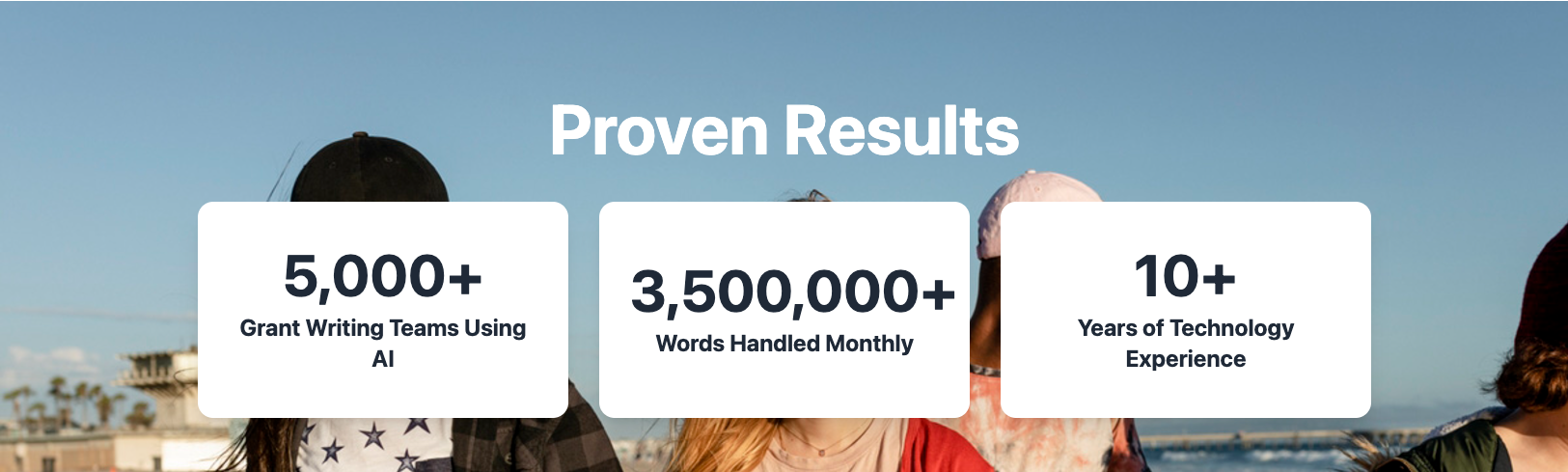
With over 5,000 grant writing teams already using AI assistance and 3.5 million words processed monthly, Grantboost has become an essential tool for music educators seeking funding.
Ready to take your grant writing up a notch?
For individuals and teams looking to secure more funding with less effort. Streamline your grant-writing process, stay organized, and achieve better results with proven templates and AI-driven support.
Frequently Asked Questions About Music Education Grants
Are there grants specifically for purchasing instruments?
Yes, several grants focus specifically on instrument acquisition, including the Fender Music Foundation, D’Addario Foundation, and VH1 Save The Music Foundation. These programs often donate instruments directly rather than providing cash grants. When applying, clearly articulate how instruments will be maintained, stored, and utilized in ongoing programming.
Can individual music teachers apply for grants?
While many grants require organizational applicants, some programs do offer funding directly to music educators. Professional development grants, classroom mini-grants, and teacher innovation funds may be available to individual educators.
Resources for individual teachers:
-
Music Teachers National Association (MTNA) grants
-
DonorsChoose for classroom projects
How can small organizations compete with larger institutions?
Smaller organizations can stand out by:
-
Highlighting unique community connections: Demonstrate intimate knowledge of local needs and strong community relationships
-
Demonstrating efficient resource use: Show how your lean operation maximizes impact per dollar
-
Showcasing programmatic agility: Emphasize how your small size allows for quick adaptation to community needs
-
Emphasizing personal impact stories: Feature the direct relationships with participants that larger organizations might lack
What if our organization has never received grant funding before?
New grant seekers should:
-
Start with smaller, local funding opportunities: Build a track record with community foundations and local partners
-
Partner with more experienced organizations: Collaborate on joint applications to learn the process
-
Seek guidance from nonprofit support organizations: Many communities have resources to help new grant seekers
-
Consider using grant writing tools: AI-powered platforms like Grantboost can help develop professional-quality applications despite limited experience
How important is data collection for music education grants?
Data collection is increasingly critical for successful grant applications and renewals. Consider tracking:
-
Attendance and retention rates: Document consistent participation and program growth
-
Musical skill development: Use standardized assessments or performance evaluations
-
Academic performance correlation: Track GPA, attendance, and other academic metrics
-
Social-emotional growth: Measure changes in confidence, teamwork, and other soft skills
-
Community engagement metrics: Record audience sizes, community performances, and public impact
Implementation tip: Create a simple but consistent data collection system from the start of your program. Even basic before/after surveys and attendance records can provide valuable evidence for future grant applications.
Further Reading
- National Endowment for the Arts
- National Association for Music Education (NAfME)
- VH1 Save The Music Foundation
- Grants.gov (federal funding portal)
Disclaimer: Grant programs, eligibility rules, deadlines, and policies vary by region and change frequently. The information in this article is for general informational purposes only and may not reflect the current rules in your area. Always consult a local grant writer or qualified expert in your region for advice specific to your organization, project, and jurisdiction.