
Looking for essential funding opportunities for youth athletes? You can find top sports grants that can help support their journey. Check out our list to find the right fit!
NOTE ON FRESHNESS: Grant amounts, deadlines, eligibility windows, and contact information for the programs and foundations listed below change frequently and may already be out of date. Before applying to any specific opportunity, verify amount, deadline, and eligibility directly on the funder’s website. This article provides a starting map of relevant programs and where to look, not a definitive snapshot of current cycles.
Animal rescue organizations play a vital role in saving and improving the lives of animals in need. Yet securing adequate funding remains one of their biggest challenges. Grant opportunities can provide essential financial assistance, but navigating the complex landscape of deadlines, eligibility requirements, and application processes can be overwhelming.
This comprehensive guide will help you:
-
Discover 10+ current animal rescue grants with upcoming deadlines in 2025-2026
-
Understand key eligibility requirements for major animal welfare foundation funding
-
Master practical application strategies to increase your chances of success
P.S., Teams using AI-powered grant writing tools like Grantboost are handling their entire monthly grant workload in a fraction of the time.
Stick around to learn how they’re doing it 😉
Start winning more proposals with Grantboost!
For individuals and teams looking to secure more funding with less effort. Streamline your grant-writing process, stay organized, and achieve better results with proven templates and AI-driven proposals.
TL;DR
| Grant Program | Amount | Eligibility | Deadline |
|---|---|---|---|
| Petfinder Grants (access to care, Other Animals, Senior Pet Adoption, P.L.A.Y. Pet Beds,) | Varies | Active Petfinder members | Rolling (varies by grant) |
| PetSmart Grants (Natural Disaster Response, Adoption Partner Rewards) | Varies | Animal welfare organizations, adoption partners | Varies (depends on grant) |
| Petco Love Grants (Access to Care, Vaccinated and Loved) | Varies | Animal welfare organizations | Varies (depends on grant) |
| Banfield Foundation Grants (HOPE Funds, Care Knows no boundaries) | Varies | Employed by Mars, Inc. companies like Banfield | Ongoing |
| Grey Muzzle Organization Grants | $1,500 - $25,000 | Organizations focused on senior dog welfare | February 2026 |
| Cold Noses Foundation Grants | $2,000 - $5,000 | Education, community outreach, and medical care programs | Varies by region |
| American Humane Second Chance Grant | Varies | Organizations providing specialized medical care | 1st and 15th of each month |
| Athletes for Animals Grant | $500 - $2,500 | 501(c)(3) animal welfare organizations | Spring & Fall cycles |
| The Binky Foundation - Forward Steps Grant | $1,000 | By invitation only; available to organizations previously awarded the First Steps Grant | 1st quarter post-First Steps Grant |
Petfinder Foundation Grants

The Petfinder Foundation offers grants designed to help animal welfare organizations increase adoption rates and improve the quality of life for animals in their care.
#1) Other Animals Grant
Amount: $1,000
Eligibility: Active Petfinder members working with animals beyond cats and dogs
Deadline: Rolling applications accepted year-round; reviewed monthly
This grant supports organizations that rescue and rehome less common companion animals such as rabbits, guinea pigs, birds, reptiles, and small mammals. The funding can be used for medical care, housing improvements, and adoption support for these often-overlooked animals.
Many rescue groups focus primarily on dogs and cats, creating a funding gap for organizations working with other specific species. This grant helps fill that gap, providing dedicated financial resources for the unique needs of these animals.
Application tip: When applying, clearly highlight the specific challenges faced when rescuing and rehoming these animals, such as specialized housing requirements or unique medical needs that differ from traditional companion animals.
#2) Senior Pet Adoption Grants
Amount: $1,000
Eligibility: Active Petfinder members with senior pet adoption programs
Deadline: Rolling applications; reviewed quarterly (March, June, September, December)
Designed to help offset the costs associated with caring for and finding homes for senior pets, this grant recognizes the additional challenges these animals often face.
Application tip: Include specific data on your senior animal intake, average length of stay, and adoption rates compared to younger animals to demonstrate the need for funding.
#3) P.L.A.Y. Pet Beds Grant
Amount: 10 Chill pads monthly
Eligibility: Active Petfinder members
Deadline: Monthly review cycle; applications due by the 15th of each month
This in-kind grant provides comfortable, durable pet beds to improve the quality of life for animals in shelters. These beds offer comfort to animals awaiting adoption and can go home with them when adopted, providing continuity during the transition.
Organizations are selected based on:
-
Demonstrated need for bedding
-
Number of animals served
-
Geographic location (grants are awarded by state on a rotating schedule)
Application tip: Include photos of your current bedding situation and explain how new beds would improve animal welfare in your facility.
#4) Dog Enrichment Grant
Amount: $100 to $1,000
Eligibility: Active Petfinder members with dog enrichment programs
Deadline: Rolling applications; awarded on a monthly basis.
This grant supports activities and equipment that improve the mental and physical wellbeing of dogs in shelters, including toys, training programs, and behavioral support.
Successful applications typically include:
-
Specific enrichment activities planned
-
Number of dogs that will benefit
-
Expected outcomes (reduced stress, improved behavior, etc.)
-
Methods for measuring success
Application tip: Research shows that enrichment activities significantly reduce length of stay in shelters. Include this research in your application to strengthen your case.
#5) Kong Toy Grant
Amount: Toy donation
Eligibility: Active Petfinder members
Deadline: Quarterly review (January, April, July, October)
The grant provides durable Kong toys that help reduce stress and boredom for dogs in shelter environments.
The number of toys awarded depends on:
-
Organization size
-
Number of dogs served
-
Current enrichment resources available
Application tip: Explain how you’ll use Kong toys as part of a comprehensive enrichment program, not just as standalone items.
#6) Emergency Medical Grant
Amount: $100 - $1,000
Eligibility: Active Petfinder members. The amount can be used for ONE PET in need of emergency medical care.
Deadline: applications are accepted year-round and awarded monthly
This grant offers emergency funding for unexpected veterinary expenses for animals in rescue care, helping organizations save animals that require immediate medical intervention. These funds can be the difference between life and death for animals with critical needs.
Successful applications include:
-
Detailed description of the medical emergency
-
Veterinary diagnosis and treatment plan
-
Cost estimates from veterinarians
-
Photos of the animal (when appropriate)
Application tip: Include a letter from your veterinarian confirming the diagnosis, treatment plan, and urgency of the situation.
#7) Disaster Response and Recovery Grant
Amount: Up to $10,000
Eligibility: Organizations affected by natural disasters
Deadline: Grants are awarded throughout the year in varying amounts
This grant provides emergency funding to animal welfare organizations impacted by natural disasters such as hurricanes, floods, wildfires, or other catastrophic events. Funds can be used for evacuation, temporary sheltering, supplies, and recovery efforts.
Organizations must demonstrate:
-
Direct impact from a declared disaster
-
Immediate needs for animal care
-
Plan for using funds effectively during emergency response
Application tip: Document the disaster’s impact with photos, news reports, and official disaster declarations to strengthen your application.
Looking to apply for multiple grants but feeling overwhelmed? Grantboost can help! Simply paste or input grant opportunity details, and the AI will extract and analyze the information to craft effective, tailored responses, saving you time and ensuring your proposals align with each grant’s specific requirements.
PetSmart Charitable Initiatives
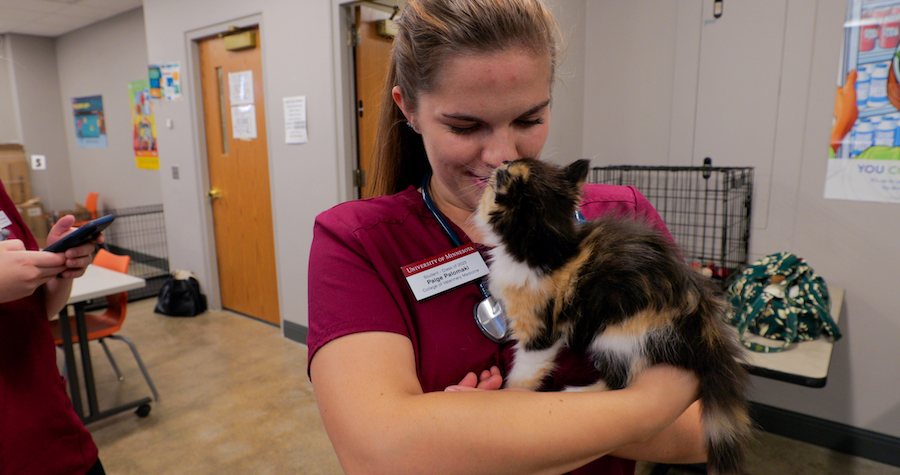
PetSmart Charities is one of the largest funders of advance animal welfare in North America, offering several grant programs for rescue organizations.
#8) Natural Disaster Response Grant
Amount: Varies based on need
Eligibility: Animal organizations responding to disasters
Deadline: Expedited review during disasters; applications accepted within 14 days of disaster declaration
This grant offers emergency funding to animal welfare and human service organizations in the Midwest, Southwest, and Southeast. It covers 30 days of essential sheltering needs, medical expenses for required vaccinations and direct care, and staffing costs, including wages, lodging, meals, and transport.
#9) Improving Access to Veterinary Care Grant
Amount: $150,000 for one year, Implementation Grants may reach as high as $750,000
Eligibility: Nonprofit organizations or municipalities looking to expand a current clinic (by invitation only)
Deadline: Not mentioned
This significant grant supports initiatives that expand access to veterinary care in underserved communities, including mobile clinics, subsidized care programs, and veterinary service expansions.
While this grant is by invitation only, organizations can position themselves for consideration by:
-
Developing innovative veterinary access programs
-
Collecting data on veterinary care gaps in their communities
-
Building relationships with PetSmart Charities through other grant programs
Application tip: If you’re interested in this grant, start with smaller PetSmart Charities grants to establish a relationship and track record of success.
#10) Adoption Partner Rewards
Amount: Up to $250,000
Eligibility: PetSmart adoption partners
Deadline: February 1 – January 31 (annually)
This program provides financial incentives to adoption partners based on the number of adoptions completed through PetSmart stores, encouraging increased adoption efforts. Organizations receive funding based on their adoption performance, creating a sustainable funding source.
To maximize funding through this program:
-
Participate regularly in PetSmart adoption events
-
Ensure all adoptions are properly recorded in the PetSmart system
-
Train volunteers on PetSmart adoption protocols
-
Maintain good relationships with local store management
Application tip: This isn’t a traditional grant application, but rather a performance-based program. Focus on building a strong relationship with your local PetSmart store and consistently participating in adoption events.
Petco Love Grants
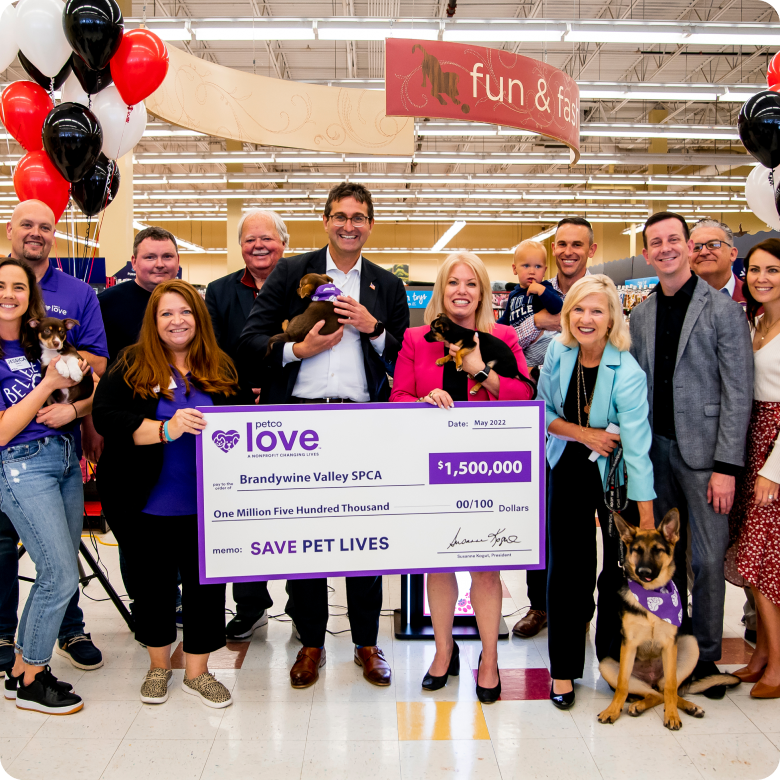
Petco Love (formerly the Petco Foundation) provides grants to animal welfare organizations across the country.
#11) Access to Care Grant
Amount: Varies
Eligibility: Organizations that should apply in this grant category are spay and neuter clinics, full service low-cost veterinary care providers, TNR/Community cat organizations, and organizations that provide financial aid for family pets.
Deadline: September 1 - 30, 2025
The grant is aimed at improving access to veterinary care, preventing economic euthanasia, and reducing the number of pets surrendered to shelters due to families’ inability to afford necessary treatments.
Successful programs typically include:
-
Low-cost vaccination clinics
-
Spay/neuter services
-
Basic veterinary care for low-income pet owners
-
Community outreach to connect pet owners with services
Application tip: Include data on how lack of veterinary care contributes to shelter intake in your community and how your program addresses this specific issue.
BTW, Grantboost’s AI platform helps nonprofits like animal welfare organizations create customized proposals that highlight your unique impact and programs.
The tool analyzes grant requirements and generates tailored responses that align with each funder’s priorities, saving you valuable time that can be redirected to animal care.
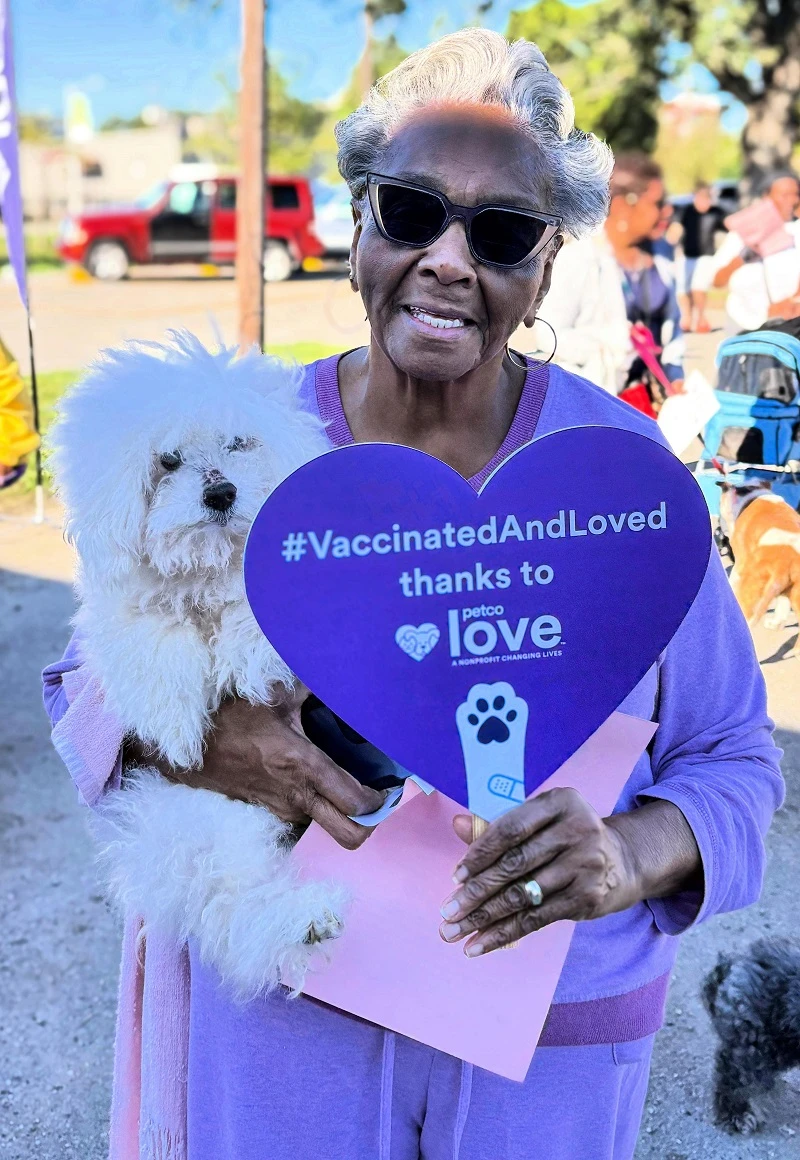
#12) Vaccinated and Loved Grant
Amount: Varies
Eligibility: Organizations providing free vaccine services to communities in need
Deadline: Open year round
This grant funds vaccination clinics and programs that provide free or low-cost vaccines to pets in underserved communities, preventing disease and promoting public health.
Organizations should demonstrate:
-
Ability to reach underserved communities
-
Partnerships with veterinarians
-
Systems for tracking vaccinations administered
-
Follow-up care plans for animals with health issues
Application tip: Include statistics on preventable disease rates in your community and how your vaccination program addresses these specific issues.
#13) Disaster Relief Support Grant
Amount: Varies
Eligibility: Animal welfare organizations affected by disasters
Deadline: Expedited review during disasters; applications accepted year-round
The disaster relief grants provide emergency funding to rescue organizations for efforts during natural disasters, supporting evacuation, temporary sheltering, and reunification efforts. The funding helps organizations provide animal protection during emergencies.
To strengthen your application:
-
Document the scope of the disaster and its impact on animals
-
Outline your specific response activities
-
Demonstrate coordination with other emergency responders
-
Provide a clear budget for emergency expenses
Application tip: Develop relationships with Petco Love before disasters strike by applying for their other grant programs and establishing a track record of success.
Hit your funding goals with Grantboost
For individuals and teams looking to secure more funding with less effort. Streamline your grant-writing process, stay organized, and achieve better results with proven templates and AI-driven support.
Banfield Foundation Grants

The Banfield Foundation, the charitable arm of Banfield Pet Hospital, offers several grant programs focused on veterinary care.
#14) HOPE Funds Grant
Amount: Varies
Deadline: Applications are accepted on a rolling basis and are reviewed monthly.
This grant provides funding for emergency and critical veterinary care for pets whose owners cannot afford treatment, helping keep pets with their families. By preventing “economic euthanasia,” these funds save lives and preserve the human-animal bond.
#15) Care Knows No Boundaries Grant
Amount: Varies
Eligibility: Must be employed by a Mars, Inc. company such as Banfield Pet Hospital, VCA Animal Hospitals, Blue Pearl.
Application Timing: Applications may be submitted at any time.
This grant supports programs that expand access to veterinary care in underserved and vulnerable communities, addressing barriers such as geography, economics, and cultural factors. These programs bring veterinary services directly to communities that otherwise lack access.
#16) Disaster Relief Grants
Amount: Varies based on disaster impact
Eligibility: Organizations responding to disasters affecting animals
Application Timing: Applications may be submitted at any time.
This grant provides emergency funding for animal rescue and disaster relief efforts during natural disasters, supporting evacuation, temporary sheltering, and medical care for affected animals. The quick review process allows organizations to respond rapidly during emergencies.
To prepare for disaster grant applications:
-
Develop a disaster response plan in advance
-
Build relationships with emergency management agencies
-
Train staff and volunteers in disaster response
-
Document disaster impacts thoroughly when they occur
Application tip: Include information about your organization’s disaster preparedness training and previous experience with emergency response.
ASPCA Grants
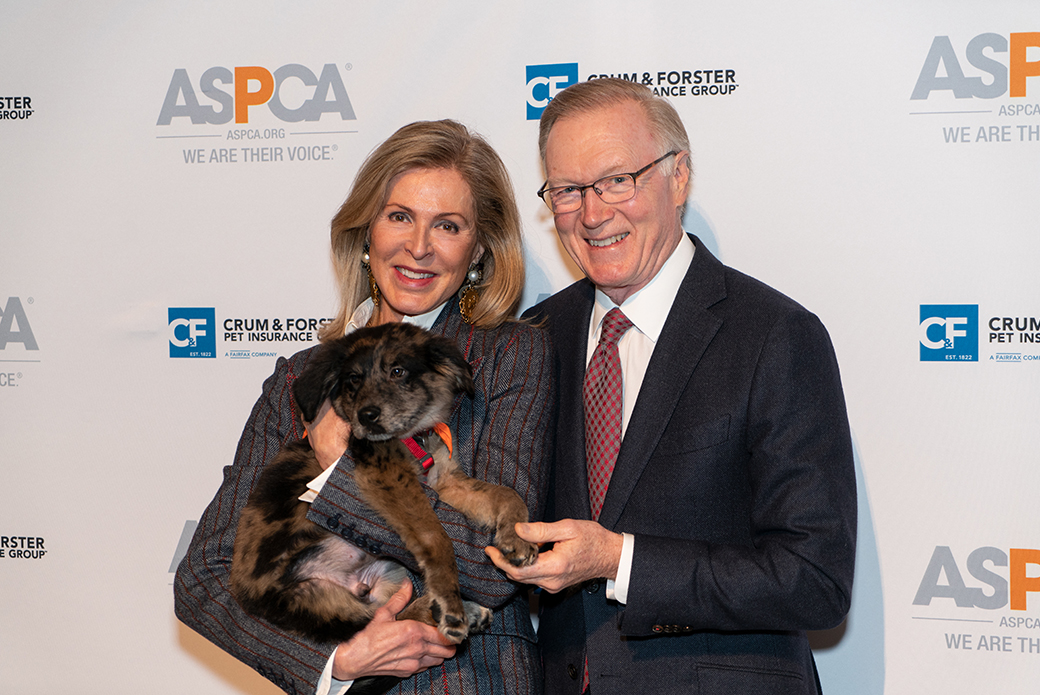
The American Society for the Prevention of Cruelty to Animals (ASPCA) offers several grant programs, including research funding.
#17) Northern Tier Shelter Initiative (NTSI) Grants
Amount: Varies
Eligibility: Shelters in northern states facing unique challenges
Deadline: June 2, at 5 p.m. CT
This grant supports animal shelters in northern states that face unique challenges related to climate, geography, and population density, funding improvements in shelter operation, and community programs. These shelters often deal with harsh winters, rural populations, and limited resources.
Successful applications address challenges such as:
-
Winter housing and care requirements
-
Transportation barriers in rural areas
-
Limited access to veterinary services
-
Seasonal fluctuations in animal intake
Application tip: Clearly articulate the unique challenges your northern location presents and how the requested funding will address these specific issues.
Grey Muzzle Organization Grants

The Grey Muzzle Organization focuses exclusively on improving the lives of senior dogs.
#18) Senior Dog Welfare Grants
Amount: $1,500 to $25,000
Eligibility: Organizations with programs specifically for senior dogs
Deadline: Reopens February 2026
This grant funds programs that improve the lives of at-risk senior dogs, including medical care, hospice care, senior dog adoption programs, and keeping seniors with their families. Senior dogs are often overlooked in shelters and have special needs that require additional resources.
Successful programs include:
-
Senior-specific medical protocols
-
Marketing initiatives focused on senior adoption
-
Foster programs for hospice care
-
Support for owners to keep senior pets during financial hardship
Application tip: Include heartwarming success stories of senior dogs your organization has helped, along with data on outcomes and the specific challenges these animals face.
Cold Noses Foundation Grants
The Cold Noses Foundation supports various animal welfare initiatives with a focus on education and medical care.
#19) Education and Medical Care Grant
Amount: $2,000-$5,000.00
Eligibility: Organizations with education, community outreach, or medical care programs
1st Quarter – Australia & Europe
-
Application Period: January 1 – January 31
-
Notification Date: February 28
2nd Quarter – Central & South America
-
Application Period: April 1 – April 30
-
Notification Date: May 31
3rd Quarter – North America & Territories
-
Application Period: July 1 – July 31
-
Notification Date: August 31
4th Quarter – Africa & Asia
-
Application Period: October 1 – October 31
-
Notification Date: November 30
This grant supports programs focused on education, community outreach, and medical care for animals in need, with an emphasis on sustainable, long-term impact. The foundation looks for programs that address the root causes of animal suffering rather than just symptoms.
Successful applications typically include:
-
Clear educational objectives
-
Strategies for reaching target audiences
-
Measurable outcomes
-
Plans for program sustainability
Application tip: Demonstrate how your program will create lasting change in community attitudes or behaviors toward animals.
#20) Spay/Neuter and TNR Grant
Amount: Varies
Eligibility: Organizations with spay/neuter or TNR programs in Africa and Asia
1st Quarter – Australia & Europe
-
Application Period: January 1 – January 31
-
Notification Date: February 28
2nd Quarter – Central & South America
-
Application Period: April 1 – April 30
-
Notification Date: May 31
3rd Quarter – North America & Territories
-
Application Period: July 1 – July 31
-
Notification Date: August 31
4th Quarter – Africa & Asia
-
Application Period: October 1 – October 31
-
Notification Date: November 30
This grant provides funding specifically for spay/neuter and trap-neuter-return (TNR) programs in Africa and Asia, addressing overpopulation in regions with limited resources. These programs help control population growth in areas where animal welfare resources are scarce.
Effective applications include:
-
Data on local animal overpopulation issues
-
Partnerships with local organizations
-
Cultural considerations in program design
-
Sustainability plans for continuing the work
Application tip: Include information about local veterinary capacity and how your program will build this capacity over time.
Regional and Community-Specific Grants
Many grants are available for specific geographic area, providing targeted support for local animal welfare efforts.
#21) Regina Bauer Frankenberg Foundation Grant
Amount: $10,000+
Eligibility: Organizations in New York City and neighboring counties only
Deadline: Annual application deadline is July 1, 2025
This grant provides funding for animal welfare programs in the New York City metropolitan area, supporting a broad range of initiatives from direct animal care to community education. The foundation focuses on programs that address the unique challenges of urban animal welfare.
Effective applications address issues such as:
-
High-density housing challenges for pet owners
-
Access to veterinary care in underserved neighborhoods
-
Community education in diverse populations
-
Collaboration with other NYC-area organizations
Application tip: Highlight your organization’s understanding of the unique animal welfare challenges in New York City and how your program addresses these specific issues.
Specialized Support Grants
Some grants focus on specific aspects of animal welfare or unique needs within the field.
#22) American Humane Second Chance Grant
Amount: Varies (case-by-case basis)
Eligibility: Organizations providing specialized medical care
Deadline: Applications are accepted and reviewed on the 1st and 15th of each month.
This grant supports the rehabilitation of animals that require extraordinary medical care before they can be adopted, giving these animals a second chance at finding loving homes. The funding helps organizations take on complex medical cases that might otherwise be beyond their resources.
Successful applications include:
-
Detailed medical diagnosis and treatment plan
-
Veterinary estimates for care
-
Prognosis for recovery and adoptability
-
Photos of the animal (when appropriate)
Application tip: Include a letter from your veterinarian detailing the treatment plan, expected outcomes, and why this case deserves special consideration.
#23) Athletes for Animals Grant
Amount: $500-$2,500
Eligibility: 501(c)(3) animal welfare organizations
Application Deadlines:
-
Spring Cycle: March 15, 2025
-
Fall Cycle: September 15, 2025
Founded by professional athletes passionate about animal welfare, this grant supports various animal rescue initiatives with a focus on community impact and sustainability. The organization looks for programs that create lasting change in animal welfare.
Effective applications demonstrate:
-
Clear program objectives
-
Measurable outcomes
-
Community engagement
-
Sustainability beyond the grant period
Application tip: Highlight any connections to sports or athletics in your community, as this aligns with the foundation’s founding mission.
#24) The Binky Foundation Grant - Forward Steps Grant
Amount: $1,000
Eligibility: By invitation only; available to organizations that have previously received a First Steps Grant and have demonstrated success and sustainability.
Deadline: Typically in the first quarter following the award of the First Steps Grant.
This grant offers additional support to previous grant recipients who have demonstrated success and are ready to expand their programs or services. The foundation invests in organizations that have proven their ability to use funds effectively.
To position your organization for this grant:
-
Implement your First Steps grant effectively
-
Document outcomes and impact
-
Maintain communication with the foundation
-
Develop clear plans for program expansion
P.S. These aren’t all the grants available currently. We also recommend you check out Rachael Ray Save, Friends Animal Society, Pedigree Foundation, and government agencies to explore additional funding opportunities that support animal rescue efforts.
Streamlining Your Grant Application Process
Managing multiple grant applications with varying requirements and deadlines can be overwhelming for animal rescue organizations already stretched thin with daily operations. Using AI-powered tools like Grantboost can significantly improve your grant application process and increase your success rate.

Grantboost helps animal rescue organizations create tailored grant proposals based on their specific details and grant opportunities. By completing a simple survey about your mission and funding goals, Grantboost’s AI can analyze grant opportunities and craft effective responses that incorporate proven grant writing strategies.
Key benefits for animal rescue organizations include:
-
Time savings on administrative tasks, allowing more focus on animal care
-
Customized proposals that highlight your organization’s unique impact
-
Incorporation of industry best practices in grant writing
-
Streamlined collaboration among team members working on proposals
-
Improved application quality through AI-powered insights
Read Next:
Creating a Grant Calendar
One of the most effective strategies for managing multiple grant opportunities is to create a comprehensive grant calendar. This tool helps you track application deadlines, reporting requirements, and follow-up activities.
To create an effective grant calendar:
-
List all potential grants - Include both those you’re currently applying for and those you might pursue in the future
-
Note key dates - Record application deadlines, notification dates, and reporting deadlines
-
Track requirements - Document specific requirements for each grant, such as eligibility criteria and required attachments
-
Assign responsibilities - Designate team members responsible for each application
-
Set internal deadlines - Create deadlines for draft completion, review, and submission that are earlier than the actual deadline
Pro tip: Set calendar reminders at least 30 days before each grant deadline to ensure adequate preparation time. For annual grants, set reminders to begin preparing 60-90 days in advance.
Building a Strong Grant Narrative
The narrative portion of your grant application tells your organization’s story and makes the case for funding. A compelling narrative should:
-
Clearly define the problem - Use data and specific examples to illustrate the animal welfare issues you’re addressing
-
Demonstrate your solution - Explain your approach and why it’s effective
-
Showcase your impact - Use metrics and success stories to demonstrate your organization’s effectiveness
-
Highlight your uniqueness - Explain what sets your organization apart from others
-
Connect to the funder’s priorities - Show how your work aligns with the foundation’s mission and goals
Example impact metrics to include:
-
Number of animals rescued annually
-
Adoption rates and average length of stay
-
Veterinary procedures performed
-
Return-to-owner rates
-
Community outreach activities and participation
-
Volunteer hours contributed
-
Cost per animal served
Essential Documents to Prepare in Advance
Having key documents prepared and organized before you begin applying for grants will streamline the process and reduce last-minute stress. Create a digital folder with:
-
Organizational documents
-
501(c)(3) determination letter
-
Board of directors list with affiliations
-
Mission statement and brief organizational history
-
Annual report or organizational overview
-
Strategic plan (if available)
-
-
Financial documents
-
Most recent audited financial statements
-
Current year operating budget
-
IRS Form 990 for the past two years
-
Financial policies and procedures
-
-
Program information
-
Program descriptions and outcomes
-
Statistics on animals served
-
Success stories and testimonials
-
Photos and videos of your work (with proper releases)
-
Evaluation methods and results
-
-
Supporting materials
-
Letters of support from partners
-
Media coverage of your organization
-
Volunteer and staff biographies
-
Facility information and photos
-
Pro tip: Create both PDF and editable versions of these documents so you can easily copy information into online application forms or attach them as needed.
Read Next:
-
The Art of the Ask | Writing the Letter of Inquiry for a Grant6/10/2023
-
Writing a Letter of Support for Grants: Examples and Frameworks
Tracking and Reporting on Grant Outcomes
Funders increasingly expect detailed reporting on how their grants were used and what impact they had. Establishing systems to track outcomes from the beginning will make reporting easier and strengthen future applications.
For each grant you receive:
-
Document baseline metrics - Record the starting point for the metrics you plan to improve
-
Set up tracking systems - Create spreadsheets or use software to track relevant data
-
Take “before” photos - Document conditions before implementing grant-funded improvements
-
Collect testimonials - Gather quotes from staff, volunteers, and adopters about the impact
-
Schedule regular check-ins - Review progress monthly to ensure you’re on track
Example tracking metrics for a spay/neuter grant:
-
Number of surgeries performed
-
Demographics of clients served
-
Cost per surgery
-
Reduction in intake of unwanted litters
-
Community feedback and testimonials
Tips for Successful Animal Rescue Grant Applications
After reviewing hundreds of successful grant applications and speaking with foundation representatives, we’ve compiled these key strategies to increase your chances of securing funding.
1. Research the Funder Thoroughly
Before applying for any grant, take time to understand the funder’s:
-
Mission and values
-
Funding priorities
-
Average grant amounts
-
Types of organizations typically funded
-
Geographic focus
Review their annual reports, previously funded projects, and any published guidelines. This research will help you tailor your application to align with their specific interests and requirements.
Pro tip: Follow potential funders on social media and subscribe to their newsletters to stay informed about their current priorities and initiatives.
2. Build Relationships Before Applying
Many foundations prefer to fund organizations they already know. Whenever possible:
-
Attend funder webinars and information sessions
-
Reach out to program officers with specific questions
-
Invite foundation representatives to visit your facility
-
Connect with current grantees to learn about their experience
These connections can provide valuable insights into what the funder is looking for and help your application stand out.
3. Focus on Sustainability
Funders want to know that their investment will have a significant impact. In your application, address:
-
How the program will continue after grant funding ends
-
Additional funding sources you’re pursuing
-
How the grant will help build your organization’s capacity
-
Plans for evaluating and improving the program over time
Be realistic about what you can accomplish with the requested funding and demonstrate that you’ve thought beyond the grant period.
4. Tell Compelling Stories
While data is important, stories bring your work to life. Include:
-
Brief case studies of animals you’ve helped
-
Testimonials from adopters or community members
-
Before-and-after narratives that illustrate impact
-
Stories that demonstrate the specific need you’re addressing
Balance emotional appeal with factual information to create a compelling case for support.
Pro tip: Include 1-2 high-quality photos that illustrate your work, but make sure they’re appropriate and respectful. Avoid overly graphic images that might alienate reviewers.
5. Follow Instructions Precisely
One of the simplest ways to improve your chances is to follow application instructions exactly:
-
Adhere to word or character limits
-
Answer all questions completely
-
Include all requested attachments
-
Use the specified format for budgets and timelines
-
Submit by the deadline (or preferably earlier)
Many foundations use strict adherence to instructions as an initial screening tool. Don’t give them a reason to eliminate your application before it’s even reviewed.
6. Create a Realistic Budget
Your budget should be:
-
Aligned with the narrative portion of your application
-
Detailed enough to show thoughtful planning
-
Reasonable and cost-effective
-
Clear about how each expense relates to program outcomes
Include notes explaining any unusual expenses or assumptions you’ve made in your calculations. If you’re requesting partial funding for a larger project, clearly indicate which components the grant would support.
7. Demonstrate Collaboration
Many funders prefer to support collaborative efforts that leverage resources and expertise from multiple organizations. When appropriate, highlight:
-
Partnerships with other animal welfare organizations
-
Relationships with veterinarians or veterinary schools
-
Collaborations with community organizations
-
Participation in coalitions or networks
These connections show that you’re working efficiently and maximizing impact through cooperation rather than competition.
8. Address Potential Challenges
Don’t shy away from discussing potential obstacles or challenges in your application. Funders appreciate honesty and want to see that you’ve thought through potential difficulties. For each challenge:
-
Explain the potential issue
-
Describe your plan for addressing it
-
Identify resources you can draw on for support
-
Show how you’ve overcome similar challenges in the past
This demonstrates thoughtful planning and risk management, increasing funders’ confidence in your ability to succeed.
9. Proofread Carefully
Simple errors can undermine your credibility. Before submitting:
-
Have at least two people review the application
-
Check for spelling and grammar errors
-
Verify that all numbers add up correctly
-
Ensure consistency in terminology and formatting
-
Confirm that all attachments are included and properly labeled
Consider having someone unfamiliar with your organization review the application to ensure it’s clear to someone without insider knowledge.
10. Learn from Rejections
Not every application will be funded, but each rejection is a learning opportunity:
-
Request feedback from the funder if available
-
Review your application objectively to identify weaknesses
-
Consider whether the grant was truly a good fit
-
Apply improvements to future applications
-
Don’t get discouraged, many successful organizations face multiple rejections before securing funding
Persistence and continuous improvement are key to grant-seeking success.
Read Next:
Now That You’ve Explored Grants for Animal Rescue, Meet Grantboost
Animal rescue grants offer tremendous opportunities for organizations to expand services, improve animal care, and increase adoption rates. But as you’ve seen, the application process is complex and competitive.
The good news? You don’t have to navigate this process alone. Grantboost’s AI-powered grant writing platform is specifically designed to help teams like animal rescue organizations create compelling grant applications in a fraction of the time.
Try Grantboost free today and see how much time you can save on your next animal rescue grant application!
Ready to take your grant writing up a notch?
For individuals and teams looking to secure more funding with less effort. Streamline your grant-writing process, stay organized, and achieve better results with proven templates and AI-driven support.
Further Reading
- ASPCA Grants
- Humane Society of the United States
- Petfinder Foundation
- Banfield Foundation
- Wikipedia: Animal rescue group
Disclaimer: Grant programs, eligibility rules, deadlines, and policies vary by region and change frequently. The information in this article is for general informational purposes only and may not reflect the current rules in your area. Always consult a local grant writer or qualified expert in your region for advice specific to your organization, project, and jurisdiction.