
Explore free grant writing services for nonprofits, comparing do-it-yourself and do-it-for-you solutions. Discover how platforms like Grantboost empower your DIY grant writing journey.
NOTE ON FRESHNESS: Grant amounts, deadlines, eligibility windows, and contact information for the programs and foundations listed below change frequently and may already be out of date. Before applying to any specific opportunity, verify amount, deadline, and eligibility directly on the funder’s website. This article provides a starting map of relevant programs and where to look, not a definitive snapshot of current cycles.

Securing grant funding can make or break a nonprofit’s ability to fulfill its mission. But with professional grant writing services costing anywhere from $40 to $200 per hour, many organizations simply can’t afford the expertise they need.
Disclosure: We make Grantboost, which is listed first below because it’s the free tool we know best, not because of an independent ranking. Weigh our take accordingly.
In this guide, we’ll explore:
-
The best free DIY grant writing tools and resources to write your own proposals
-
Free “done-for-you” services where experts write grants for you at no cost
-
How to maximize free resources to secure more funding for your mission
P.S. If you want to skip the guesswork and start writing better proposals immediately, Grantboost’s AI-powered platform can help you do just that. Try it for free today!
TL;DR - Understanding Free Grant Writing Services
| DIY (Do-It-Yourself) Options | DFY (Done-For-You) Options |
|---|---|
| What they are: Tools, templates, and guidance to write your own proposals | What they are: Services that handle the entire grant writing process for you, including research and proposal writing |
Examples:
|
Examples:
|
Pros:
|
Pros:
|
When to Use Each Approach
Choose DIY when:
-
You have staff with decent writing skills
-
You want to build internal capacity
-
You prefer complete control over your narrative
Choose DIFY when:
-
You’re applying for large, complex grants
-
You’re looking for expert guidance to ensure high-quality proposals
-
You want to apply for multiple grants simultaneously without compromising quality
The best strategy often combines both approaches by using DIY tools for smaller grants while seeking DIFY assistance for major funding opportunities.
7 Free DIY Grant Writing Resources
While Grantboost provides an excellent foundation, there are several other free DIY resources worth exploring to complement your grant writing toolkit.
1) Grantboost - Free Grant Writing, Powered by AI
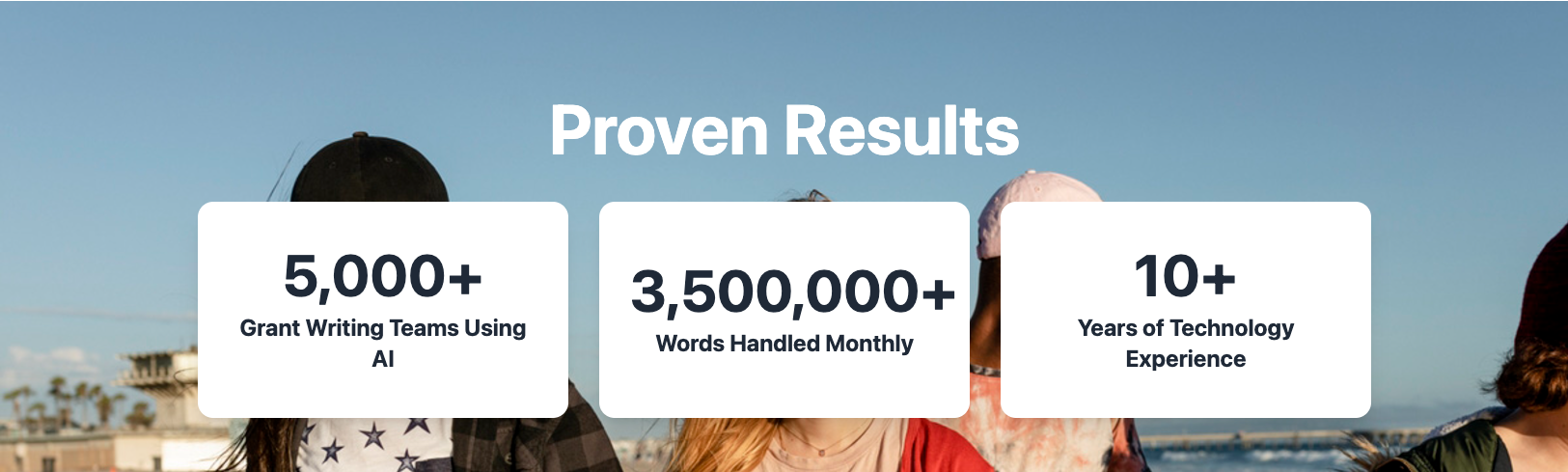
What it is: Our AI grant writing app, with a free plan that doesn’t expire.
Key features
-
AI-Powered Grant Writing: Generates tailored grant proposals based on your organization’s details and specific grant opportunities.
-
Customizable Outputs: AI generates proposal drafts based on industry best practices, with easy editing options to align with your organization’s voice.
-
Proven Grant Writing Strategies: Incorporates tried-and-true strategies to create compelling applications that resonate with funders.
-
Performance Metrics: Provides insights into your grant writing effectiveness, helping refine strategies for success.
How Grantboost Works
-
Share your organization’s details through a simple survey
-
Input grant opportunity information by pasting the requirements
-
Generate customized content using the AI assistant
-
Edit and refine the output to match your organization’s voice
Best for: All nonprofits, especially those needing immediate assistance with limited resources.
Limitations: The free plan includes 10 Writer chats and 10 grant views a month. Paid plans start at $32/month billed annually (see pricing). Drafts still need a human edit.
2) Grants.gov Workspace
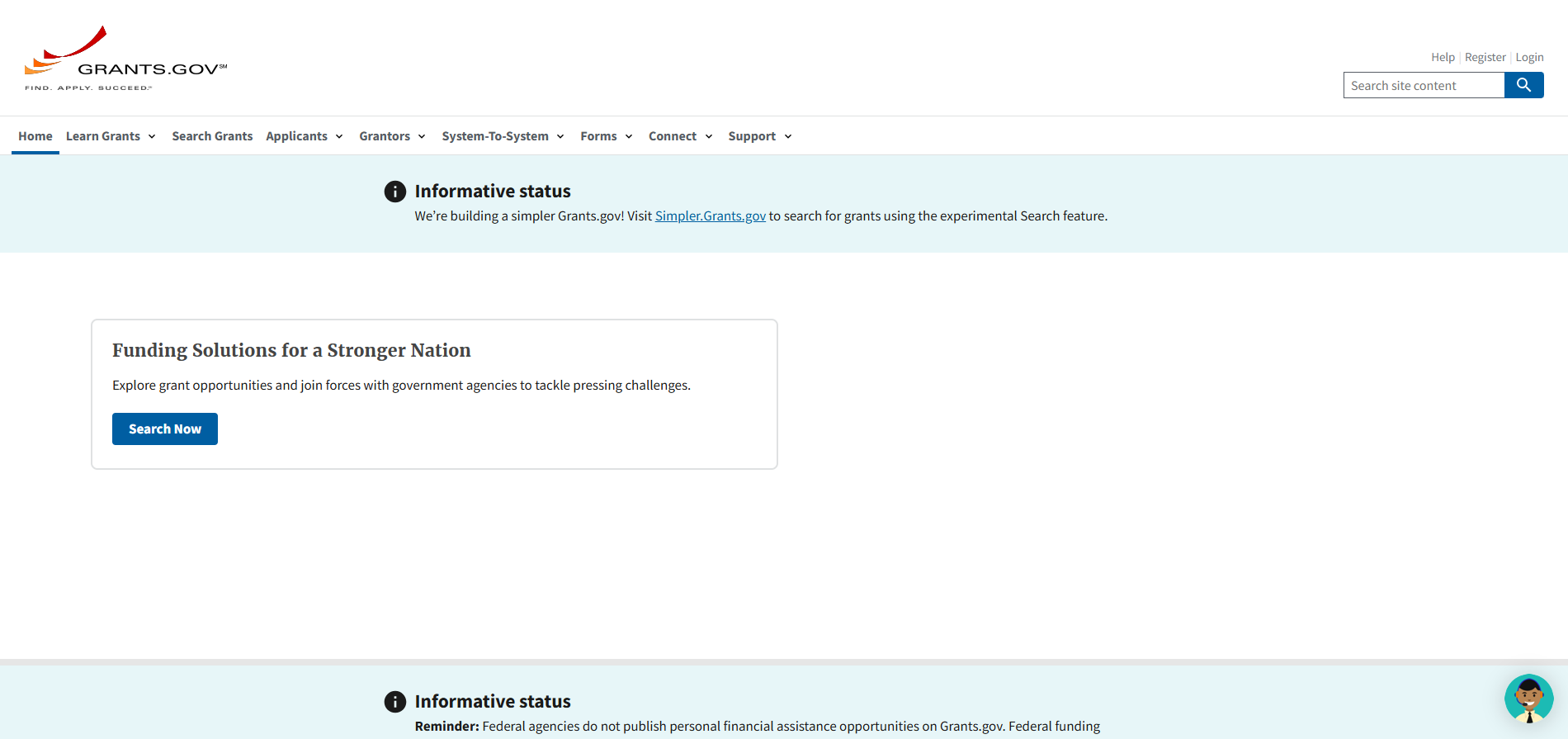
What it is: The official platform for finding and applying for federal and government grants with free collaboration tools.
Key features:
-
Search thousands of federal grant opportunities
-
Collaborate with team members on applications
-
Track submission status in real-time
-
Access application validation to catch errors
Best for: Organizations seeking federal funding with multiple team members involved in the application process.
Limitations: Only useful for federal grants
Grantboost Advantage: Use Grantboost to draft compelling responses to federal grant questions, then finalize and submit them through Grants.gov.
3) Candid Learning (Formerly Foundation Center)
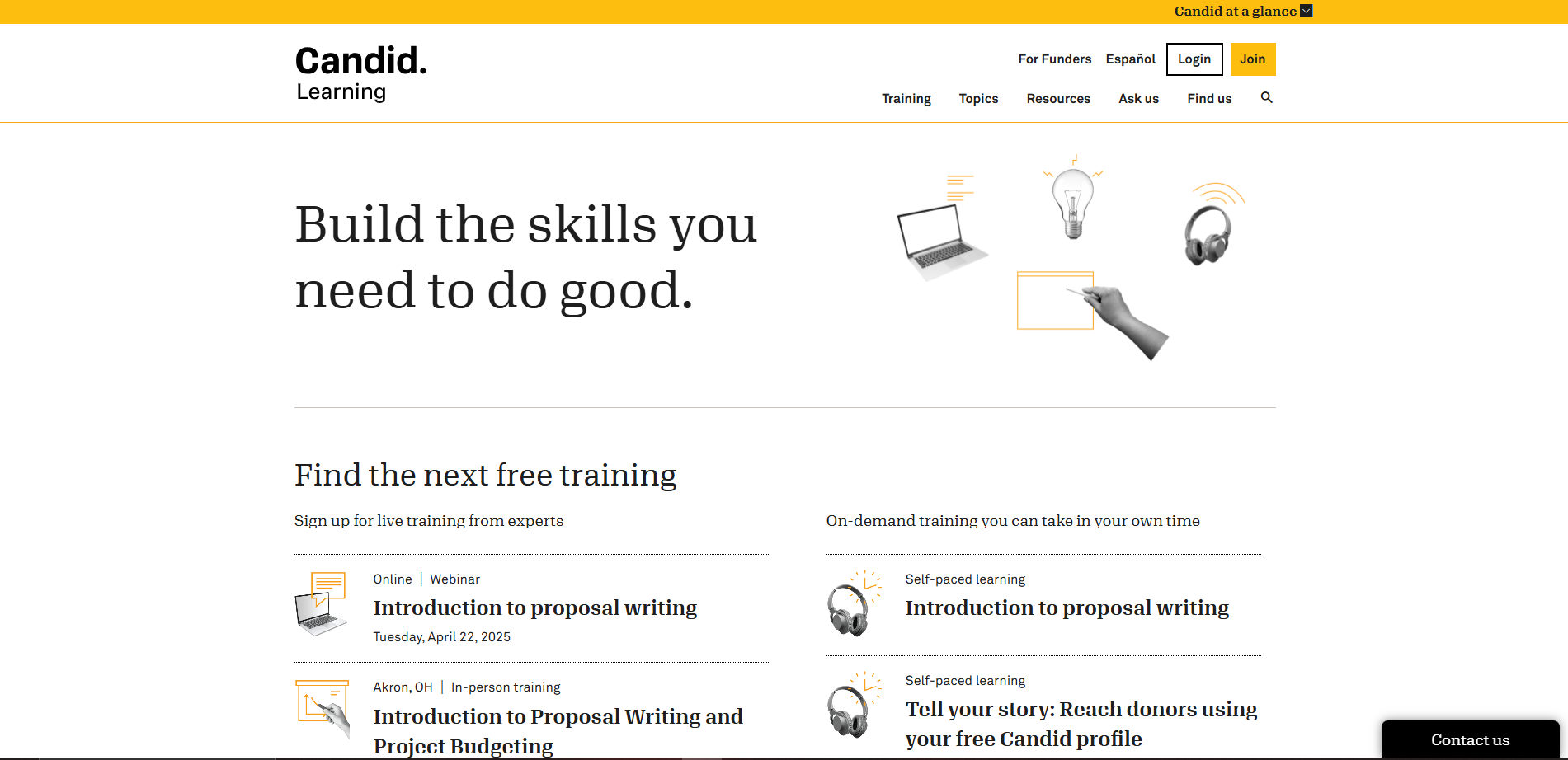
What it is: A comprehensive resource hub with free grant writing tutorials, webinars, and sample documents.
Key features:
-
Free introduction to proposal writing course
-
Sample documents and templates
-
Recorded webinars on various grant topics
-
Searchable database of funders (limited access in the free version)
Best for: Beginners looking to learn grant writing fundamentals from recognized experts.
Limitations: More advanced resources require a paid subscription; limited personalization.
4) NonprofitReady.org Free Grant Writing Certificate
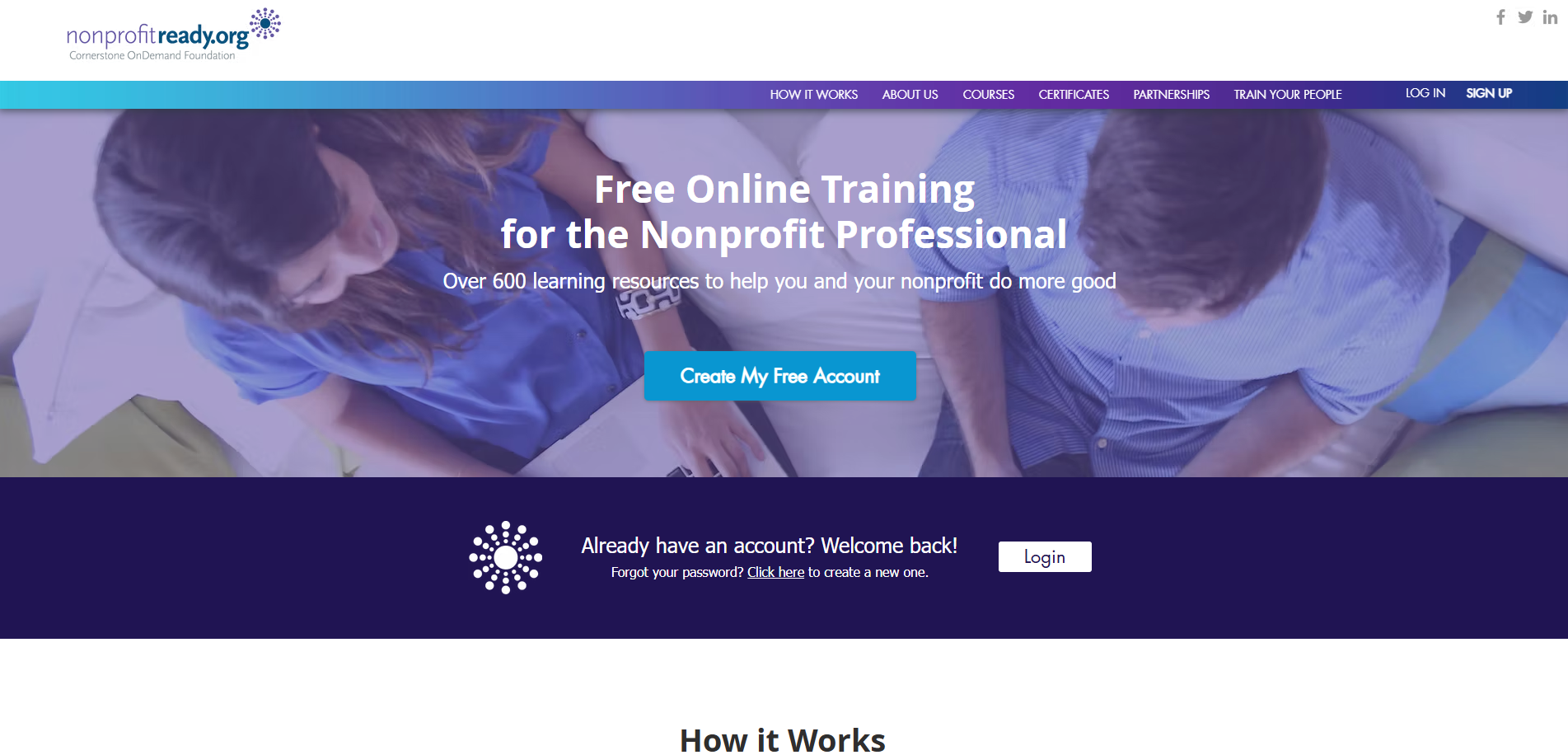
What it is: A free online certificate program covering the entire grant-seeking process.
Key features:
-
Self-paced online courses on grant seeking fundamentals
-
Certificate upon completion (eligible for CFRE continuing education credits)
-
Covers identifying, cultivating, soliciting, and stewarding grantors
-
100% free with no hidden costs
Best for: Staff or volunteers who want structured training with a credential.
Limitations: General knowledge only; doesn’t provide personalized feedback on your specific proposals.
5) ChatGPT (Free Version)
What it is: A general-purpose AI tool that can assist with various writing tasks, including grant proposals.
Key features:
-
Generate draft content based on your prompts
-
Rewrite and improve existing text
-
Research grant opportunities (with limitations)
-
Available 24/7 with no usage limits in free version
Best for: Organizations comfortable with technology who can provide detailed prompts and heavily edit AI outputs.
Limitations: Not specialized for grants; may produce generic content; requires significant prompting skill and editing.
Grantboost Advantage: Grantboost’s specialized grant writing AI produces more relevant, accurate proposals with less editing required.
6) Grant Training Center Free Webinars
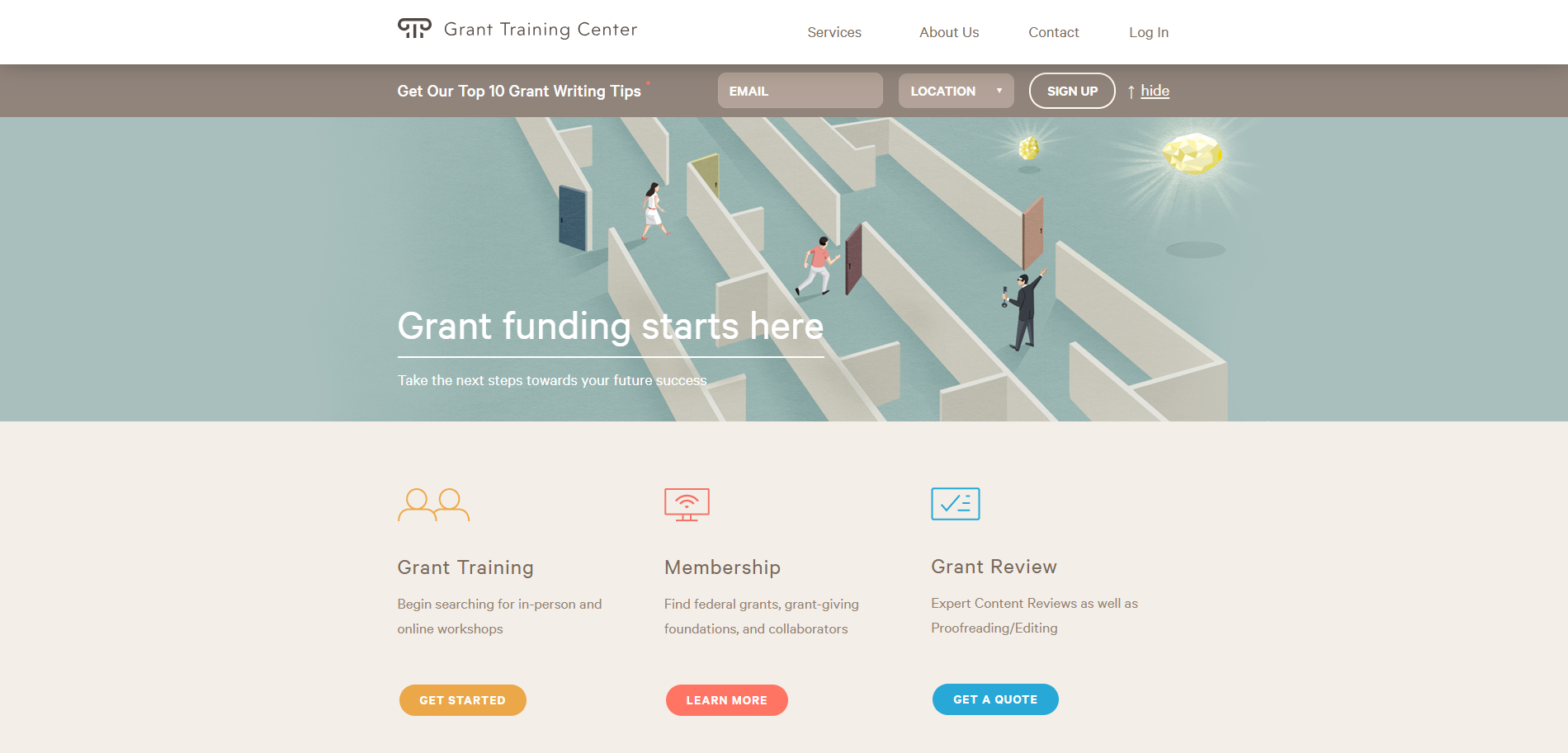
What it is: Regular free webinars on various aspects of grant seeking and proposal development.
Key features:
-
Live instruction from experienced grant professionals
-
Q&A sessions to address specific questions
-
Covers topics from finding opportunities to writing compelling proposals
-
Downloadable resources and handouts
Best for: Organizations looking for interactive learning opportunities without cost.
Limitations: Webinar schedule may not align with your needs; limited personalized guidance.
7) GlobalGiving Free Templates and Guides
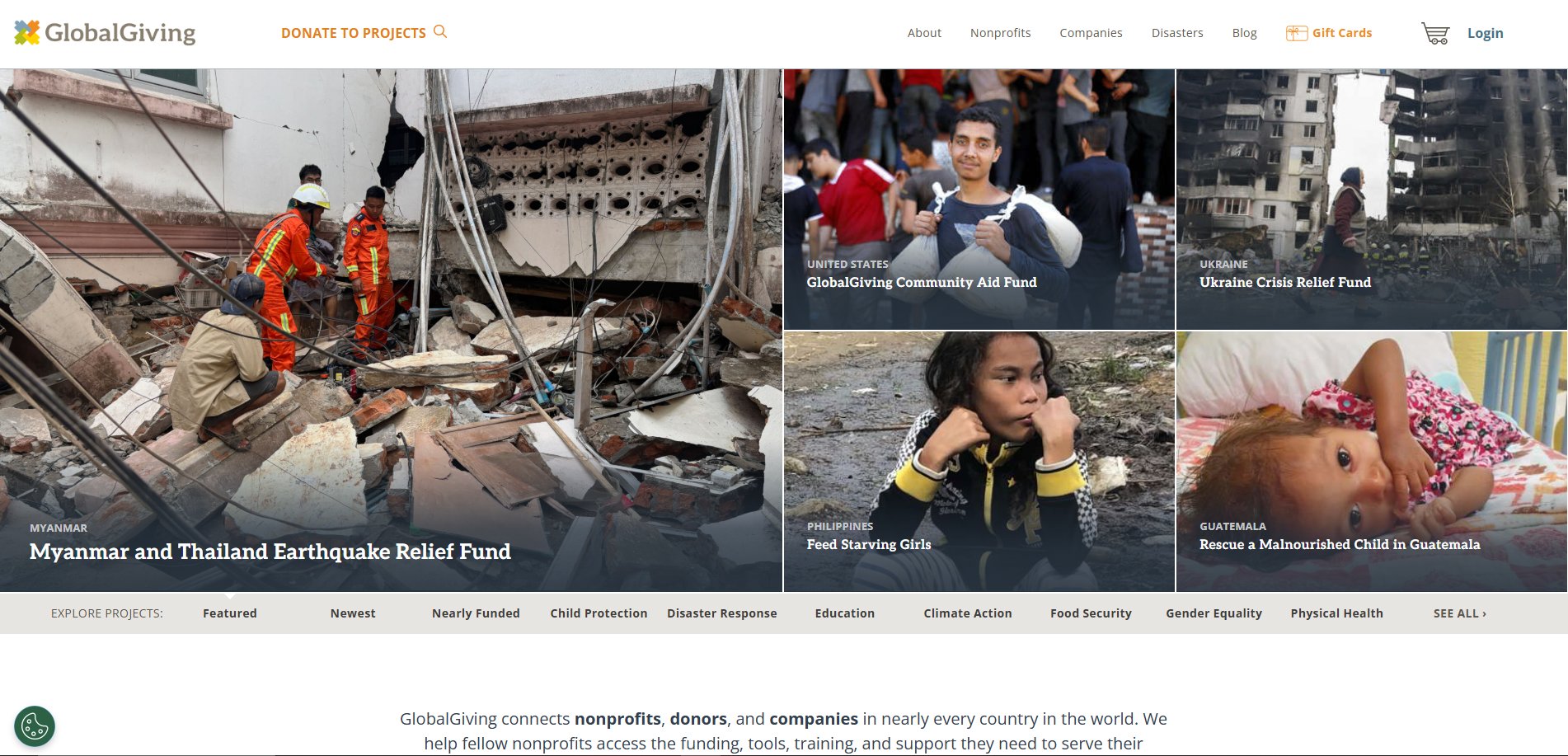
What it is: A collection of downloadable templates, checklists, and guides for nonprofit fundraising.
Key features:
-
Proposal templates for different grant types
-
Budget worksheets and planning tools
-
Evaluation framework templates
-
Step-by-step guides for various funding sources
Best for: Organizations that need structured templates to follow.
Limitations: Generic templates require significant customization; limited guidance on content development.
Grantboost Advantage: Use GlobalGiving’s structural templates as a framework, then fill them with compelling content generated by Grantboost’s AI assistant.
Why Grantboost Stands Out:* Unlike other free resources that only provide templates or guidance, Grantboost’s free plan gives you AI-powered writing assistance that creates compelling grant proposals. Start with our free plan and upgrade only if you need additional features. Try Grantboost Free →*
Ready to take your grant writing up a notch?
For individuals and teams looking to secure more funding with less effort. Streamline your grant-writing process, stay organized, and achieve better results with proven templates and AI-driven support.
Read Next:
8 Free DIFY Grant Writing Services
When you need more hands-on assistance, these free “done-for-you” services can provide professional grant writing help at no cost.
1) VolunteerMatch Grant Writers
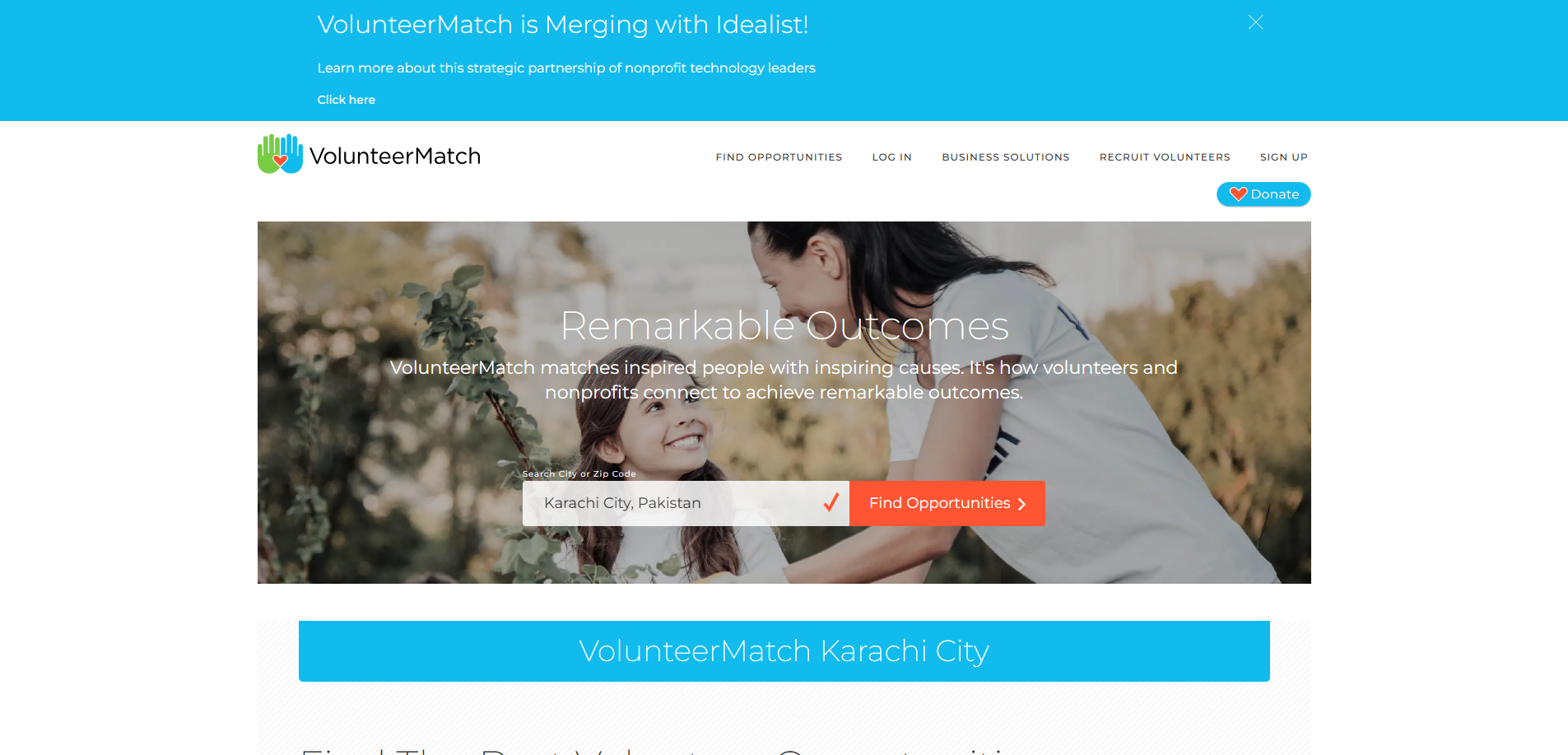
What it is: A platform connecting nonprofits with skilled volunteers, including professional grant writers.
Eligibility: Must be a registered nonprofit organization.
Application process:
-
Create an organization profile on VolunteerMatch
-
Post a detailed volunteer opportunity for grant writing
-
Review applications and interview potential volunteers
-
Establish clear expectations and timelines
Limitations: Finding the right volunteer can take time; quality and availability vary; typically best for smaller grants.
While you wait: Use Grantboost’s free plan to start drafting your proposal while searching for a volunteer writer.
2) Catchafire Pro Bono Grant Writing
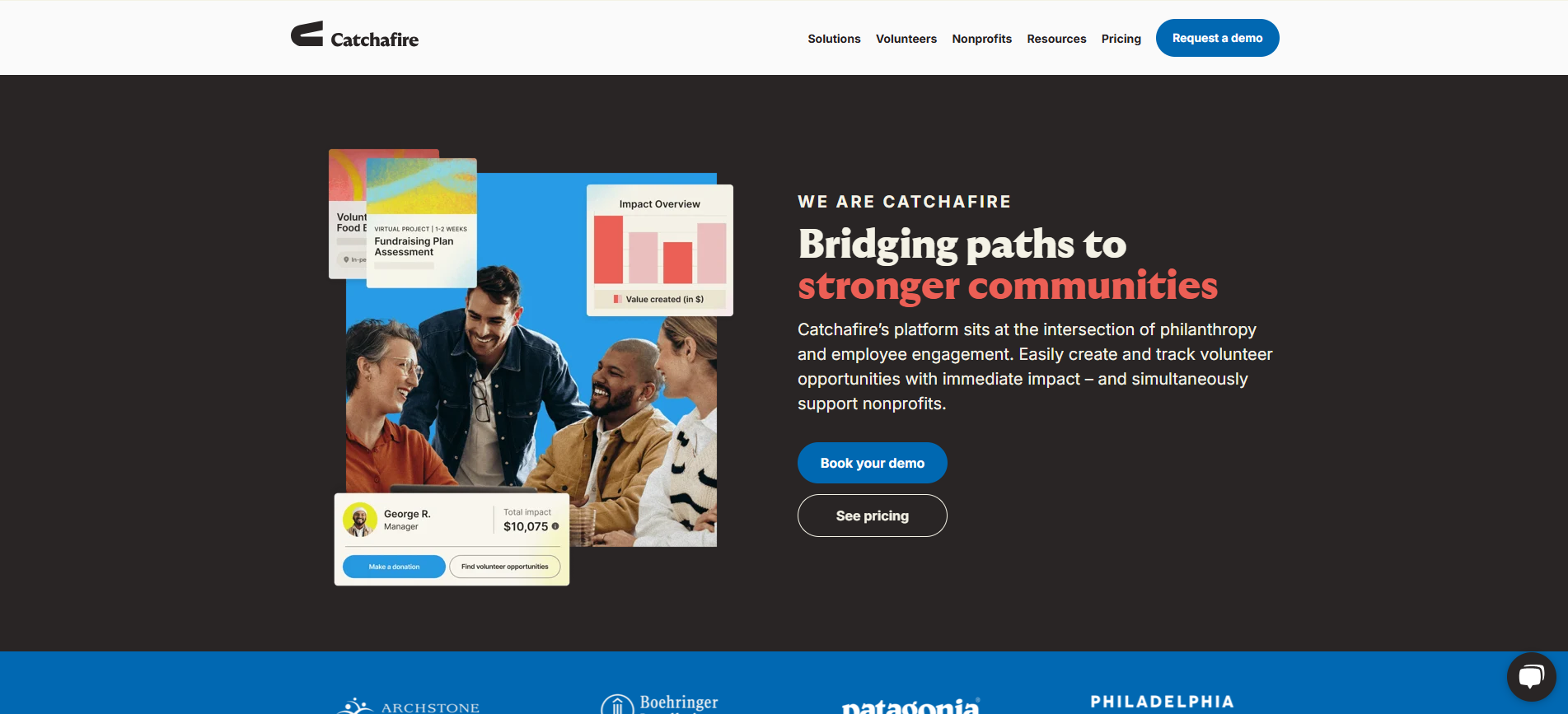
What it is: A platform matching nonprofits with pro bono professionals for specific projects, including grant writing.
Eligibility: Registered 501(c)(3) organizations; some geographic restrictions may apply.
Application process:
-
Join through a foundation sponsor or paid membership
-
Post your specific grant writing project
-
Review matched professionals and select your preferred consultant
-
Work with the professional through the platform
Limitations: May require foundation sponsorship in your area; best suited for discrete projects rather than ongoing support.
3) LinkedIn for Nonprofits
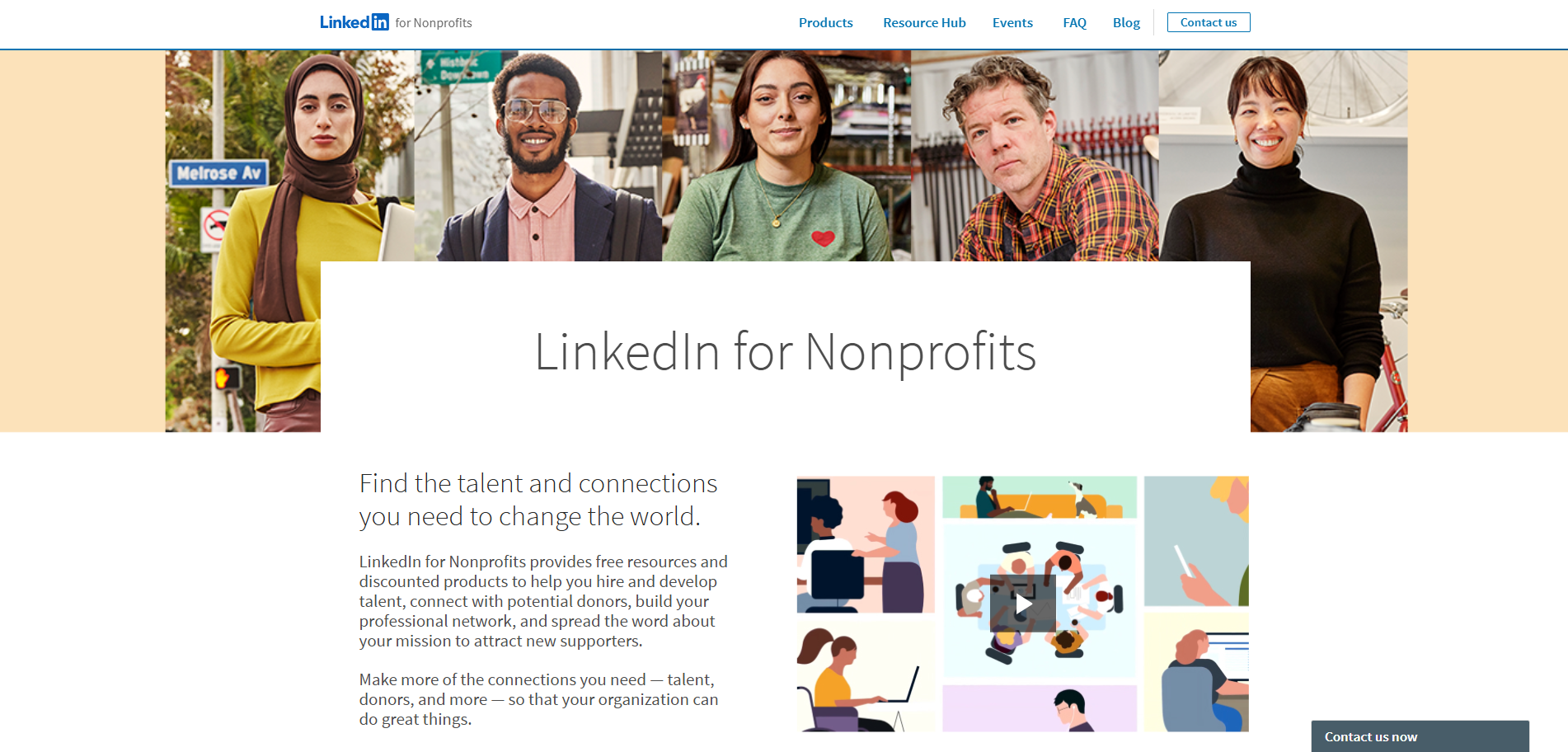
What it is: A program offering nonprofits free access to LinkedIn’s premium features to find volunteer grant writers.
Eligibility: Registered nonprofits with valid documentation.
Application process:
-
Apply for the LinkedIn for Nonprofits program
-
Once approved, post volunteer opportunities
-
Use premium search features to find potential grant writers
-
Connect directly with professionals interested in volunteering
Limitations: Requires active networking and outreach; no guarantee of finding a suitable volunteer.
4) University Grant Writing Programs
What it is: Partnerships between nonprofits and university programs where students gain experience by writing real grant proposals.
Eligibility: Varies by university; typically must be a local nonprofit with a clear mission aligned with the program’s focus.
Examples:
-
Center for Nonprofit Leadership at St. John Fisher University
-
SUNY Center for Professional Development
Application process:
-
Contact local universities with nonprofit management or public administration programs
-
Inquire about service-learning opportunities or internship programs
-
Submit an application detailing your organization and grant needs
-
Work with assigned students under faculty supervision
Limitations: Limited to academic calendars; quality depends on student experience and faculty oversight; typically available only to local organizations.
5) Regional Nonprofit Support Centers
What it is: Local organizations providing free or low-cost services to nonprofits in their geographic area, including grant writing assistance.
Examples:
-
Thrive Allen County (Kansas)
-
Center for Nonprofit Management of Southern California
Eligibility: Typically must be located in the center’s service area; some may have additional requirements.
Application process:
-
Locate your nearest nonprofit support center
-
Inquire about free grant writing services
-
Complete their intake process
-
Work with their staff or volunteers on your proposal
Limitations: Services vary widely by location; may have waiting lists; some offer consultations rather than full writing services.
6) Grant Our Community
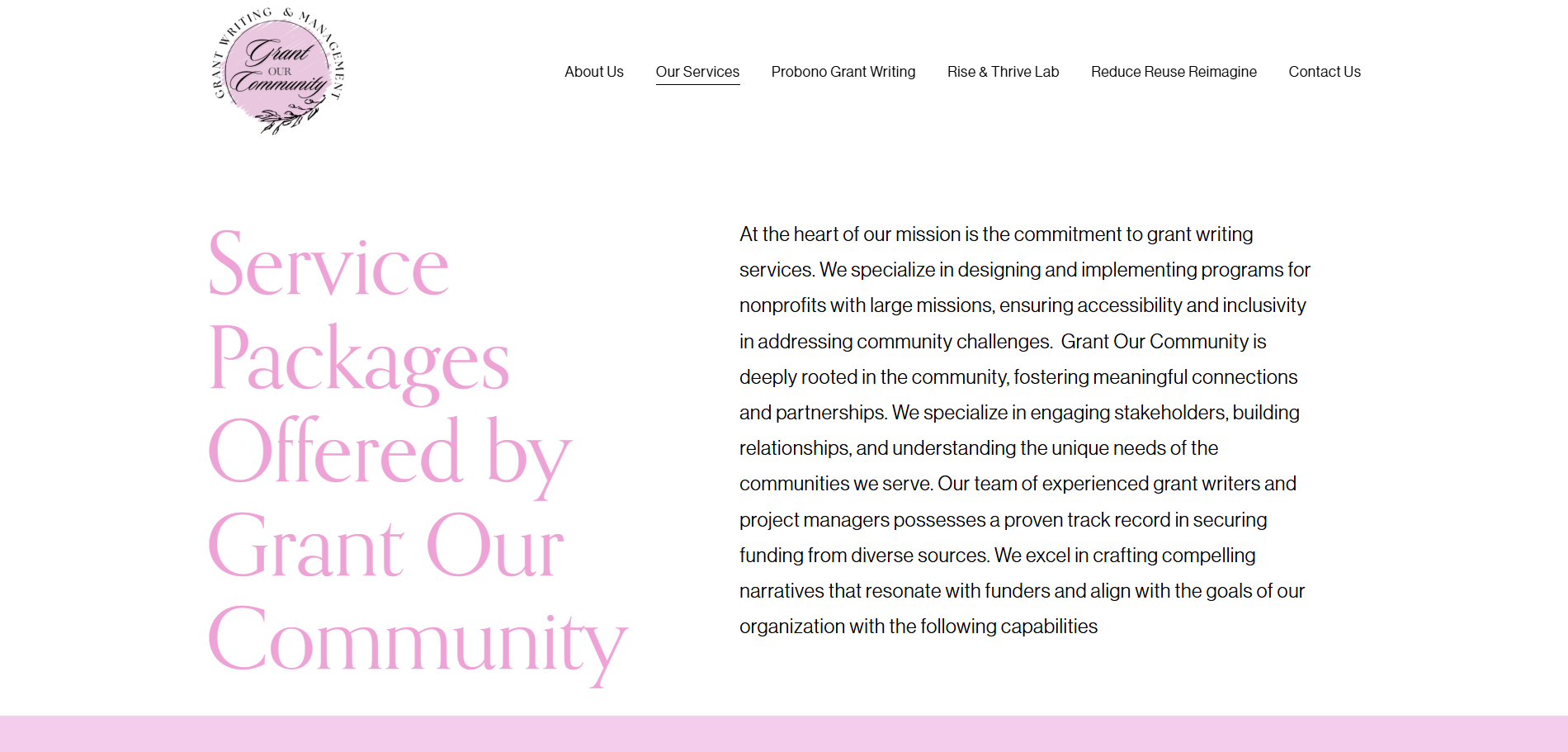
What it is: A network connecting nonprofits with volunteer grant writers through their Write4 Community Initiative.
Eligibility: Focus on organizations working in environmental sustainability, economic empowerment, and social justice.
Application process:
-
Complete the intake form on their website
-
Discuss your needs with their team
-
Get matched with a volunteer writer if eligible
-
Collaborate on your proposal
Limitations: Specific focus areas limit eligibility; capacity constraints may create waiting periods.
7) Pro Bono Professional Associations
What it is: Professional grant writer associations that coordinate pro bono services for eligible nonprofits.
Examples:
-
Grant Professionals Association (GPA) chapters
-
American Grant Writers’ Association pro bono initiatives
Eligibility: Varies by program; typically prioritize small nonprofits with limited resources.
Application process:
-
Contact your local chapter or the national organization
-
Complete their application for pro bono services
-
If selected, work with an assigned grant professional
-
Provide necessary information and review drafts
Limitations: High demand means limited availability; may focus on specific cause areas or grant types.
8) Corporate Volunteer Programs
What it is: Programs where corporations provide their employees’ professional skills to nonprofits at no cost.
Examples:
-
Taproot Foundation
-
Common Impact
-
Corporate-specific programs (like Salesforce Pro Bono Program)
Eligibility: Requirements vary; may prioritize nonprofits in specific focus areas or locations.
Application process:
-
Research corporate volunteer programs in your area
-
Apply through their formal application process
-
If selected, get matched with corporate volunteers
-
Collaborate on your grant proposal
Limitations: Competitive application process; may have specific timing windows; volunteers have limited availability.
No Waitlists, No Applications:* Unlike many free grant writing services that have limited availability or long waiting periods, Grantboost’s free plan is available instantly to all nonprofits. Start writing better grant proposals today while maintaining full quality control over your narrative. Access Free Plan Now →*
Read Next:
How to Maximize Free Services
To get the most value from free grant writing resources, follow these strategic approaches:
1. Combine Multiple Resources
The most successful organizations use a mix of free resources rather than relying on just one. For example:
-
pply knowledge from NonprofitReady’s free courses to enhance your grant writing skills.
-
Refine your proposal using templates from GlobalGiving to create a structured application.
-
Get feedback from a VolunteerMatch grant writer to improve your proposal before submission.
But you can also skip the complete process with Grantboost, which combines all the best practices into one AI-powered tool. With Grantboost, you can instantly generate tailored proposals, analyze grant opportunities, and streamline the entire grant application process in a fraction of the time.
2. Prepare Thoroughly Before Seeking Help
Whether using DIY tools or DIFY services, thorough preparation dramatically improves results:
-
Document your organization’s mission, vision, and values
-
Gather program details, outcomes, and impact data
-
Compile your budget information and financial statements
-
Research potential funders and their priorities
Having this information ready makes every resource more effective, AI tools will generate better content, and volunteer writers can focus on crafting rather than gathering information.
3. Build Internal Capacity Alongside External Help
Use free resources as learning opportunities, not just quick fixes:
-
Shadow volunteer writers to understand their process
-
Document successful approaches for future applications
-
Create a grant template library specific to your organization
-
Train multiple team members using free courses
This approach ensures that each grant application builds your organization’s capacity for future funding opportunities.
4. Establish Clear Processes and Timelines
Free doesn’t mean unstructured. Create systems to maximize efficiency:
-
Set internal deadlines well before submission dates
-
Create a review process with multiple checkpoints
-
Maintain a grant calendar to track opportunities and deadlines
-
Document funder requirements in a standardized format
These processes help you make the most of limited resources and avoid last-minute scrambles.
5. Focus on Relationship Building
The most successful grant seekers build relationships with funders:
-
Research program officers before applying
-
Request informational interviews when appropriate
-
Follow up after submissions regardless of outcome
-
Express gratitude for funding and provide thorough reports
Strong relationships increase your chances of success with both current and future applications.
Start winning more proposals with Grantboost
For individuals and teams looking to secure more funding with less effort. Streamline your grant-writing process, stay organized, and achieve better results with proven templates and AI-driven support.
Read Next:
Common Limitations & How to Overcome Them
Free grant writing services, while valuable, come with inherent challenges. Here’s how to address the most common limitations:
1. Limited Availability and Long Wait Times
Challenge: Many free DIFY services have more demand than capacity, resulting in waiting lists or limited availability.
Solutions:
-
Apply to multiple services simultaneously to increase your chances
-
Start with DIY resources like Grantboost while waiting for DIFY assistance
-
Consider university programs that align with academic calendars
-
Build relationships with potential volunteers before urgent needs arise
2. Variable Quality and Consistency
Challenge: Free services may provide inconsistent quality, especially with volunteer writers who have varying experience levels.
Solutions:
-
Request work samples or references from volunteer writers
-
Establish clear quality standards and review processes
-
Use Grantboost’s AI to create a baseline proposal that volunteers can improve
-
Build a template library of successful grant language for consistency
3. Limited Scope and Specialization
Challenge: Free services may lack expertise in your specific field or with particular funders.
Solutions:
-
Provide volunteers with research on your sector and specific funders
-
Connect writers with subject matter experts in your organization
-
Use specialized resources like Grantboost to tailor proposals to specific fields and funding opportunities.
-
Consider a hybrid approach where volunteers handle general sections while specialists tackle technical components
4. Time Constraints and Competing Priorities
Challenge: Volunteers and free services may have limited time or competing commitments.
Solutions:
-
Break projects into manageable chunks that fit volunteers’ availability
-
Set clear expectations and deadlines from the beginning
-
Have contingency plans if volunteer assistance falls through
-
Use Grantboost’s AI to handle time-sensitive components
5. Lack of Organizational Context
Challenge: External writers may not fully understand your organization’s unique approach and impact.
Solutions:
-
Create a comprehensive organizational profile for all grant writers
-
Schedule orientation sessions with key staff members
-
Provide examples of successful past proposals
-
Review and edit all externally written content to ensure alignment with your voice
6. Technology and Learning Curves
Challenge: Some free tools require technical skills or have steep learning curves.
Solutions:
-
Start with user-friendly options like Grantoost
-
Designate a tech-savvy team member to master more complex tools
-
Take advantage of free tutorials and support resources
-
Focus on mastering one tool at a time rather than trying many simultaneously
When to Consider Paid Services
While free resources can take you far, there are situations where investing in paid grant writing services makes strategic sense:
Consider paid services when:
-
Applying for large, complex grants ($100,000+) where the return on investment justifies the expense
-
Facing extremely competitive funding opportunities with low acceptance rates
-
Lacking the internal capacity to manage the grant process, even with free assistance
-
Needing specialized expertise in a technical field or with specific funders
-
Working with tight deadlines that don’t allow for the potential delays of free services
Cost-benefit analysis:
When evaluating whether to pay for grant writing, consider:
-
Potential funding amount vs. cost of services
-
Success probability with paid vs. free assistance
-
Staff time required to coordinate free resources
-
Long-term capacity building needs of your organization
Many organizations find that a hybrid approach works best, using free resources for smaller, more straightforward grants while investing in professional services for major opportunities.
From Zero to Funded: Your No-Cost Grant Success Blueprint
Finding funding doesn’t have to break your budget. With the right combination of free resources, your nonprofit can develop compelling grant proposals that get funded, without spending a dime on professional services.
Start by implementing these practical steps:
-
Sign up for Grantboost’s free plan to immediately access AI-powered grant writing
-
Enroll in NonprofitReady’s free grant writing certificate program to build fundamental skills
-
Create an organization profile on VolunteerMatch to connect with volunteer grant writers
-
Research regional nonprofit support centers in your area for local assistance
-
Develop a grant calendar to plan your approach strategically
Remember that grant writing is both an art and a science. The free resources in this guide provide the tools and knowledge you need, but your organization’s unique mission and impact story remain the most powerful elements of any successful proposal.
By thoughtfully combining these free grant writing services and resources, you can create a sustainable approach to funding that grows with your organization, without draining your limited budget.
Hit your funding goals with Grantboost
For individuals and teams looking to secure more funding with less effort. Streamline your grant-writing process, stay organized, and achieve better results with proven templates and AI-driven support.
Further Reading
Disclaimer: Grant programs, eligibility rules, deadlines, and policies vary by region and change frequently. The information in this article is for general informational purposes only and may not reflect the current rules in your area. Always consult a local grant writer or qualified expert in your region for advice specific to your organization, project, and jurisdiction.