
This guide provides a snapshot of the Department of Health and Human Services. Learn more with this list for navigating top DHHS grants!
2025–2026 STATUS UPDATE: On March 27, 2025 HHS announced major restructuring. SAMHSA is being merged into a new combined unit called the Administration for a Healthy America (AHA), alongside HRSA, the Office of the Assistant Secretary for Health, ATSDR, and NIOSH. SAMHSA’s grant office, government affairs, and IT staff were significantly reduced as part of the broader ~25% HHS workforce reduction (about 20,000 positions). Many program names, contact pathways, and NOFO timing have shifted (HHS Restructuring Fact Sheet). Verify at samhsa.gov and hhs.gov.
Head Start has faced significant disruption in 2025. In April 2025 ~50% of federal Office of Head Start staff was cut and all regional Head Start offices closed. The March 2025 funding bill cut $750M from Head Start. During the 2025 government shutdown, programs in 40+ states missed scheduled funding; sites in 17 states plus Puerto Rico were forced to close. Verify current status at ACF Office of Head Start.
The Department of Health and Human Services (DHHS) distributes over $1.8 trillion annually across more than 145,000 awards, yet many qualified applicants miss out simply because they don’t understand the complex application process.
This comprehensive guide breaks down everything you need to know about DHHS grants in 2025, including:
-
The different types of DHHS grants and which ones your organization qualifies for
-
Step-by-step application strategies that align with what reviewers actually want to see
-
Common application mistakes that instantly disqualify otherwise promising proposals
P.S., we tested these strategies using Grantboost, so if you want to skip the guesswork and create compelling DHHS grant applications in a fraction of the time, you’ll find actionable tips throughout this guide.
Hit your funding goals with Grantboost
For individuals and teams looking to secure more funding with less effort. Streamline your grant-writing process, stay organized, and achieve better results with proven templates and AI-driven support.
TL;DR: Top DHHS Grant Opportunities for 2025
| Grant Program | Agency | Purpose | Key Eligibility |
|---|---|---|---|
| Head Start | ACF | Early childhood education | Nonprofits, public agencies, tribes |
| Community Services Block | ACF | Anti-poverty programs | States → Community Action Agencies |
| Family Violence Prevention | ACF | DV shelter & services | States, tribes, nonprofits |
| Health Center Program | HRSA | Primary care for underserved | Public & nonprofit orgs |
| Rural Health Network | HRSA | Rural healthcare delivery | Rural nonprofits & public entities |
| Maternal & Child Health | HRSA | Maternal/child health | State health departments |
| Public Health Emergency | CDC | Emergency preparedness | State/local health departments |
| REACH | CDC | Reduce health disparities | Local health depts, community organizations |
| Suicide Prevention | CDC | Suicide prevention | State/local health depts, tribes |
| Research Project (R01) | NIH | Health research | Higher ed, nonprofits, for-profits |
| Small Research (R03) | NIH | Small research projects | Higher ed, nonprofits, for-profits |
| CCBHC Expansion | SAMHSA | Mental health/substance use | Behavioral health clinics |
| Prevention Framework | SAMHSA | Substance abuse prevention | States, territories, tribes |
| Mental Health Training | SAMHSA | Mental health awareness | States, local govts, tribes, nonprofits |
What Are DHHS Grants?
DHHS grants are federal funding opportunities provided by the U.S. Department of Health and Human Services, the government’s principal agency, which is also the largest grant-making agency. It oversees and supports health-related programs, essential human services initiatives, and scientific research, including advancements in the sciences underlying medicine.
In 2024, the U.S. Department of Health and Human Services (HHS) awarded a total of 145,831 grants to 15,978 recipients.
Unlike loans, these grants don’t require repayment, they’re investments in programs that align with DHHS priorities and public health objectives.
Purpose and Mission
The primary purpose of DHHS grants is to improve the health and well-being of Americans through various initiatives that:
-
Strengthen public health infrastructure
-
Enhance healthcare access and quality
-
Support vulnerable populations
-
Advance scientific and medical research
-
Address emerging health challenges
DHHS Organizational Structure
Understanding the organizational structure of DHHS is crucial for identifying relevant grant opportunities. The department consists of 11 operating divisions, each with specific focus areas and grant programs:
| Operating Division | Focus Area | Sample Grant Programs |
|---|---|---|
| Administration for Children & Families (ACF) | Family support, child welfare | Head Start, TANF Block Grants |
| Administration for Community Living (ACL) | Aging and disability services | Older Americans Act programs |
| Agency for Healthcare Research & Quality (AHRQ) | Healthcare quality improvement | Health services research grants |
| Centers for Disease Control & Prevention (CDC) | Disease prevention, public health | Public Health Emergency Preparedness |
| Centers for Medicare & Medicaid Services (CMS) | Healthcare coverage | Medicaid, CHIP funding |
| Food & Drug Administration (FDA) | Food and drug safety | Food safety modernization |
| Health Resources & Services Administration (HRSA) | Healthcare access for vulnerable populations | Community health centers, HIV/AIDS programs |
| Indian Health Service (IHS) | Native American healthcare | Tribal health programs |
| National Institutes of Health (NIH) | Biomedical research | Research project grants (R01) |
| Substance Abuse & Mental Health Services Administration (SAMHSA) | Mental health and substance abuse | Block grants for treatment programs |
| Pro Tip: When searching for DHHS grants, don’t just look at the department level. Each operating division has its own grant programs with specific eligibility requirements and application processes. |
Annual Funding Cycles
DHHS grants typically follow annual funding cycles, though exact timelines vary by program:
-
First Quarter (Oct-Dec): Many block grants are announced
-
Second Quarter (Jan-Mar): Research grants often open for applications
-
Third Quarter (Apr-Jun): Community service grants frequently announced
-
Fourth Quarter (Jul-Sep): Final funding decisions before fiscal year end
Understanding these cycles helps organizations plan their application strategies and prepare necessary documentation in advance.
4 Types of DHHS Grants
DHHS offers several types of grants, each with different purposes, eligibility requirements, and application processes. Understanding these differences is crucial for identifying the right opportunities for your organization.
#1) Health-Related Grants
Health-related grants focus on improving healthcare delivery, access, and outcomes. These grants are primarily administered by agencies like CDC, HRSA, and CMS.
Public Health Infrastructure Grants
These grants strengthen state and local public health departments, supporting activities such as:
-
Disease surveillance and monitoring
-
Emergency preparedness and response
-
Public health workforce development
-
Health information technology implementation
Example Program: The Public Health Infrastructure Grant (PHIG) provides funding to health departments to modernize public health systems. Recently, the Long Beach Department of Health used PHIG funds to host a major public health conference and hire key staff positions, including a Workforce Director and Wellness Coordinator.
Healthcare Access Grants
These grants improve access to quality healthcare services, particularly for underserved populations:
-
Community health center funding
-
Rural health initiatives
-
School-based effective health services
-
Telehealth program development
Eligibility Focus: Healthcare access grants typically require applicants to demonstrate service to medically underserved areas or populations with healthcare provider shortages.
#2) Human Services Grants
Human services grants address social determinants of health and support vulnerable populations. The Administration for Children & Families (ACF) is the primary administrator for providing essential human services grants.
Family Support Programs
These grants empower families and protect children:
-
Head Start and Early Head Start
-
Child welfare services
-
Domestic violence prevention
-
Responsible fatherhood initiatives
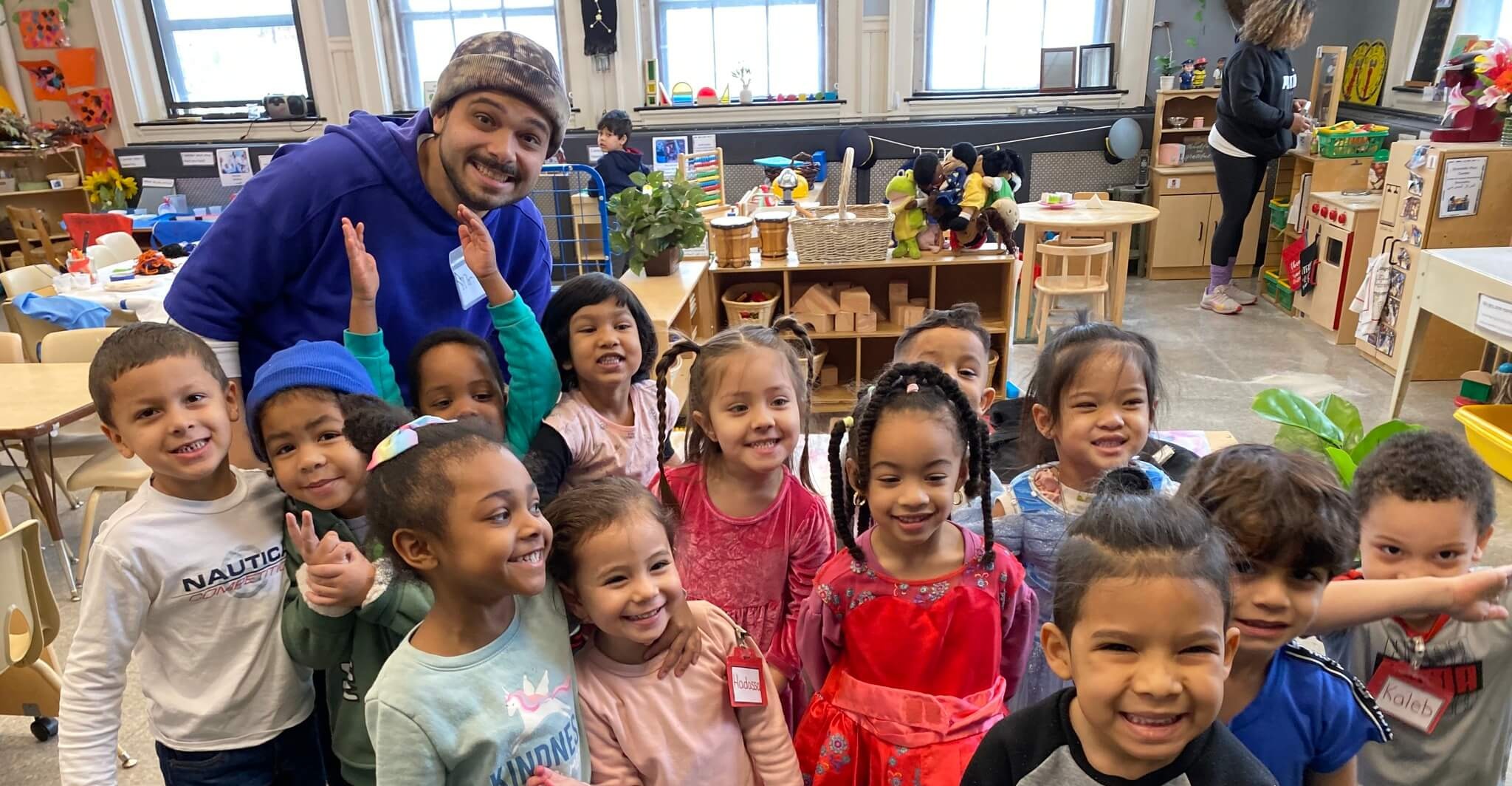
Funding Example: The Head Start program, a child development initiative for more than half a million of the nation’s neediest kids, is federally funded but runs through private and public schools. For fiscal year 2025, Congress authorized a budget of about $12 billion for Head Start.
Economic Security Grants
These grants help individuals and families achieve economic independence:
-
Temporary Assistance for Needy Families (TANF)
-
Community Services Block Grants
-
Assets for Independence
-
Refugee support services
#3) Research Grants
Research grants fund scientific investigations to advance knowledge in health-related fields. The National Institutes of Health (NIH) is the largest source of these grants.
Biomedical Research
These grants support investigations into the causes, treatments, and prevention of diseases:
-
R01 Research Project Grants
-
R21 Exploratory/Developmental Research
-
P01 Program Project Grants
-
U01 Research Project Cooperative Agreements
Funding Statistics: NIH received a budget request of $46.4 billion for FY2025. The majority of this funding would support biomedical research conducted by hospitals, medical schools, universities, and other research institutions across the country

Health Services Research
These grants examine how healthcare delivery systems affect quality, cost, and outcomes:
-
Health economics studies
-
Healthcare quality improvement
-
Patient safety research
-
Healthcare workforce studies
Eligibility Requirements: Research grants typically require applicants to have appropriate scientific credentials, institutional support, and preliminary data supporting their research hypothesis.
#4) Block Grants vs. Discretionary Grants
DHHS funding falls into two major categories: block grants and discretionary grants. Understanding the differences is essential for developing effective application strategies.
Block Grants
Block grants provide large sums to states or local governments with relatively few restrictions on how the funds are used. Key characteristics include:
-
Flexibility: Recipients have significant latitude in determining how to spend funds within broad parameters
-
Formula-Based: Allocation typically based on population or other demographic factors
-
Limited Competition: Funds are distributed according to formulas rather than competitive applications
-
Ongoing Funding: While block grants are typically renewed annually, funding levels can fluctuate due to changes in federal budgets and policy priorities.
Major Block Grant Programs:
-
Child Care and Development Block Grant
-
Community Mental Health Services Block Grant
-
Preventive Health and Health Services Block Grant
Discretionary Grants
Discretionary grants are awarded through competitive processes where applications are evaluated based on merit. Key characteristics include:
-
Specific Purpose: Funds must be used for clearly defined activities
-
Competitive Process: Applications evaluated based on quality and alignment with program goals
-
Detailed Requirements: Specific application guidelines and evaluation criteria
-
Time-Limited: Typically awarded for defined project periods (1-5 years)
Major Discretionary Grant Programs:
-
NIH Research Project Grants
-
CDC Public Health Emergency Preparedness
-
SAMHSA Drug-Free Communities
-
ACF Head Start
While block grants often have set funding amounts, discretionary grants can vary significantly based on the specific program, project scope, and federal budget allocations
Start winning more proposals with Grantboost
For individuals and teams looking to secure more funding with less effort. Streamline your grant-writing process, stay organized, and achieve better results with proven templates and AI-driven support.
Eligibility Requirements
Understanding eligibility requirements is critical before investing time in a DHHS grant application. Requirements vary significantly across grant programs, but certain patterns emerge based on grant type and administering agency.
General Eligibility Categories
DHHS grants are available to a wide range of entities, though specific programs may restrict eligibility to certain categories:
| Entity Type | Eligibility Frequency | Common Grant Types |
|---|---|---|
| State Governments | Very Common | Block grants, formula grants |
| Local Governments | Common | Public health grants, community services |
| Nonprofit Organizations | Very Common | Service delivery, community programs |
| Educational Institutions | Common | Research grants, training programs |
| Tribal Organizations | Common | Health services, community programs |
| For-Profit Organizations | Limited | Research grants, innovation programs |
| Individuals | Very Limited | Fellowships, training awards |
Program-Specific Requirements
Beyond entity type, DHHS grants often have program-specific eligibility requirements:
Geographic Requirements
Many grants target specific geographic areas:
-
Medically Underserved Areas (MUAs)
-
Health Professional Shortage Areas (HPSAs)
-
Rural communities
-
Specific states or regions based on need
Example: Rural Health Network Development grants require applicants to serve populations in non-metropolitan counties or rural census tracts in metropolitan counties.
Population Focus
Grants may require service to specific populations:
-
Low-income individuals and families
-
Children and youth
-
Older adults
-
People with disabilities
-
Racial and ethnic minorities
-
Individuals with specific health conditions
Application Strategy: Clearly document how your target population meets the grant’s demographic requirements using recent, credible data sources.
Organizational Capacity
DHHS evaluates whether applicants have the infrastructure to successfully implement proposed projects:
-
Financial Stability: Demonstrated ability to manage federal funds
-
Administrative Systems: Adequate accounting, reporting, and compliance procedures
-
Experience: Track record with similar programs or populations
-
Personnel: Qualified staff to implement the proposed activities
Common Mistake: Many applicants fail to adequately document their organizational capacity, focusing too heavily on need and not enough on implementation capability.
Registration Requirements
Before applying for any DHHS grant, organizations must complete several registration processes:
-
Obtain a Unique Entity Identifier (UEI) through SAM.gov
-
Register with the System for Award Management (SAM) at SAM.gov
-
Register with Grants.gov to access application packages
-
Complete agency-specific registrations (e.g., eRA Commons for NIH grants)
Important Timeline: These registrations can take 4-6 weeks to complete, so begin well before application deadlines. SAM registration must be renewed annually.
Disqualifying Factors
Certain factors can automatically disqualify organizations from DHHS grant eligibility:
-
Debarment or suspension from federal programs
-
Delinquent federal debt
-
Failure to comply with previous grant requirements
-
Missing or expired registrations
-
Lobbying violations
-
Criminal convictions related to public transactions
Pre-Application Check: Before starting any application, verify your organization’s status in the Federal Awardee Performance and Integrity Information System (FAPIIS) and resolve any issues.
DHHS Grant Application Process
The DHHS grant application process involves multiple steps and careful attention to detail. Understanding this process is essential for developing competitive applications.
Step 1: Find Grant Opportunities
Start by identifying relevant grant opportunities through these primary sources:
-
Grants.gov: The official federal government portal for grant opportunities
-
Agency Websites: Individual DHHS operating division websites often list upcoming opportunities
-
Forecast of Funding Opportunities: Annual projections of anticipated grant programs
-
Federal Register: Official notices of funding opportunities
-
Mailing Lists: Subscribe to agency-specific grant announcement lists
Strategic Approach: Don’t limit your search to a single source. Cross-reference opportunities across platforms and set up automated alerts for relevant keywords.
Step 2: Review Funding Opportunity Announcement
The Funding Opportunity Announcement (FOA) provides comprehensive information about the grant:
-
CFDA Number: Catalog of Federal Domestic Assistance identifier
-
Eligibility Requirements: Who can apply
-
Award Information: Funding amounts and project periods
-
Application Components: Required documents and forms
-
Submission Deadlines: Due dates for applications
-
Review Criteria: How applications will be evaluated
-
Program Contacts: Who to contact with questions
Critical Analysis: Create a checklist of all requirements and review criteria to ensure your application addresses every element.
Step 3: Develop Your Proposal
Craft a proposal that directly responds to the FOA requirements:
Project Narrative Components
Most HHS grants require these core narrative elements:
-
Need Statement: Document the problem your project will address using data
-
Goals and Objectives: Specific, measurable outcomes you will achieve
-
Methodology: Detailed description of activities and implementation plan
-
Evaluation Plan: How you will measure success and impact
-
Organizational Capacity: Your ability to implement the project effectively
-
Sustainability Plan: How activities will continue after grant funding ends
BTW, our AI-powered tool extracts key details from the grant opportunity, helping you generate a proposal tailored to the specific requirements.
Budget Development
Create a detailed budget that aligns with your project narrative:
-
Personnel Costs: Salaries and fringe benefits
-
Travel Expenses: Project-related travel
-
Equipment: Items costing $5,000 or more per unit
-
Supplies: Materials under $5,000 per unit
-
Contractual Services: Consultants and subrecipients
-
Other Direct Costs: Rent, utilities, participant support
-
Indirect Costs: Administrative overhead (use approved rate)
Budget Strategy: Ensure every expense directly supports project objectives and includes detailed justifications.
Step 4: Submit Your Application
Follow these steps to submit your application:
-
Create an application package in Grants.gov or the specified system
-
Complete all required forms (SF-424, budget forms, assurances)
-
Upload all narrative documents and attachments
-
Validate the application to check for errors
-
Submit before the deadline (at least 48 hours early is recommended)
-
Confirm receipt through tracking number verification
Technical Tip: File naming conventions and formatting requirements are strictly enforced. Follow all guidelines precisely to avoid automatic rejection.
Step 5: Application Review Process
After submission, your application goes through a structured review process:
-
Initial Screening: Administrative check for completeness and eligibility
-
Peer Review: Subject matter experts evaluate technical merit
-
Program Review: Program staff assess alignment with priorities
-
Financial Review: Budget analysis for allowability and reasonableness
-
Final Decision: Selection of awardees based on reviews and available funding
Review Timeline: The review process typically takes 3-6 months, though this varies by program.
Step 6: Award Notification and Acceptance
If selected for funding:
-
Notice of Award (NoA): Official document detailing funding amount and terms
-
Accept the Award: Follow instructions to formally accept funding
-
Establish Financial Systems: Set up accounts to receive and track funds
-
Complete Any Pre-Award Requirements: Address any conditions specified in the NoA
Post-Award Management: Once accepted, you must comply with all reporting requirements and grant terms throughout the project period.
Top DHHS Grant Opportunities for 2025
Here are some of the most significant DHHS grant opportunities available in 2025, organized by operating division:
Administration for Children & Families (ACF programs)
1. Head Start and Early Head Start Expansion

Program Purpose: The ACF programs aim to expand high-quality early childhood education services for low-income children from birth to age five.
Funding Amount: While the program offers significant funding, the exact amounts can vary
Eligibility: Nonprofit organizations, public agencies, tribal governments, Educational and Community Organizations
Application Deadline: Multiple deadlines throughout the year
Success Tip: Demonstrate strong community partnerships and a comprehensive approach to child development, family engagement, and health services. Ensure that your proposal focuses on improving the social well-being of the families involved.
2. Community Services Block Grant (CSBG)
Program Purpose: Support anti-poverty programs that promote self-sufficiency among low-income individuals and families.
Funding Amount: Formula-based allocation to states
Eligibility: States, which then distribute to eligible entities (primarily Community Action Agencies)
Application Deadline: Annual state applications
Success Tip: Focus on measurable outcomes related to employment, education, housing stability, and economic self-sufficiency.
3. Family Violence Prevention and Services
Program Purpose: Support programs providing shelter and supportive services to victims of domestic violence and their children.
Funding Amount: $200,000 - $1,000,000 per year
Eligibility: State agencies, tribal organizations, nonprofit domestic violence organizations
Application Deadline: Typically Q2 of the fiscal year
Success Tip: Highlight trauma-informed approaches and comprehensive support services beyond emergency shelter.
P.S. DHHS grant applications require precise language and adherence to strict guidelines. Grantboost’s AI assistant can help you generate compliant, compelling responses in minutes. Try it free →
Health Resources & Services Administration (HRSA)
4. Health Center Program
Program Purpose: Provide comprehensive primary healthcare services to underserved communities.
Funding Amount: Funding amounts vary by location and are determined by HRSA.
Eligibility: Public and nonprofit organizations
Application Deadline: Application deadlines vary based on the project period start date.
Success Tip: Demonstrate strong need assessment, integrated service delivery model, and quality improvement systems.
5. Rural Health Network Development Program
Program Purpose: Support integrated rural health networks that improve healthcare delivery in rural communities.
Funding Amount: Up to $100,000 for a one-year planning period.
Eligibility: Rural nonprofit organizations, rural public entities
Application Deadline: Typically Q1 of the year
Success Tip: Focus on innovative approaches to healthcare workforce challenges and telehealth integration.
6. Maternal and Child Health Block Grant
Program Purpose: Improve the health of mothers, children, and families, particularly those with low incomes or limited access to care.
Funding Amount: Formula-based allocation to states
Eligible applicants include a variety of entities such as:
-
Nonprofits (with or without 501(c)(3) status)
-
For-profit organizations
-
Public institutions (e.g., universities, hospitals)
-
State, county, city, township, and special district governments
-
Independent school districts
-
Federally Qualified Health Centers (FQHCs)
-
Community health centers
-
Rural Health Clinics (RHCs)
-
Hospitals
-
Rural Emergency Hospitals
-
Native American tribal governments and organizations
Application Deadline: Annual state applications
Success Tip: Address health equity and demonstrate coordination with other maternal and child health initiatives.
Centers for Disease Control and Prevention (CDC)
7. Public Health Emergency Preparedness (PHEP) Cooperative Agreement
Program Purpose: Build and strengthen public health emergency preparedness capabilities.
Funding Amount: $5,000,000 - $50,000,000 per year (varies by state population)
Eligibility: State and local health departments
Application Deadline: Typically Q3 of fiscal year
Success Tip: Align with CDC’s Public Health Emergency Preparedness and Response Capabilities framework.
8. Racial and Ethnic Approaches to Community Health (REACH)
Program Purpose: Reduce health disparities among racial and ethnic populations through community-based interventions.
The REACH program has multiple components with varying funding amounts:
-
Component A: Approximately $722,000 per year.
-
Component B: Approximately $390,000 per year.
Eligibility: Local public health departments, community-based organizations
Application Deadline: Typically Q2 of the calendar year
Success Tip: Demonstrate strong community engagement and culturally tailored interventions.
9. Comprehensive Suicide Prevention Program
Program Purpose: Implement comprehensive public health approaches to suicide prevention.
Funding Amount: $500,000 - $1,000,000 per year
Eligibility: State and local health departments, tribal organizations
Application Deadline: Typically Q1 of calendar year
Success Tip: Incorporate evidence-based strategies from CDC’s Preventing Suicide: A Technical Package of Policy, Programs, and Practices.
National Institutes of Health (NIH)
10. Research Project Grant (R01)
Program Purpose: Support health-related research projects in specific areas of interest to NIH institutes.
Funding Amount: No specific limit (average $250,000 - $500,000 per year)
Eligibility: Higher education institutions, nonprofits, for-profits, government organizations
Application Deadlines: Multiple cycles annually (February, June, October)
Success Tip: Demonstrate strong preliminary data, innovative approaches, and clear significance to public health.
11. Small Research Grant Program (R03)
Program Purpose: Support small research projects that can be completed in two years or less.
Funding Amount: Up to $50,000 per year for up to two years
Eligibility: Higher education institutions, nonprofits, for-profits, government organizations
Application Deadlines: Multiple cycles annually (February, June, October)
Success Tip: Focus on well-defined, limited scope projects with clear feasibility.
12. Exploratory/Developmental Research Grant (R21)
Program Purpose: Support exploratory and developmental research projects in early stages.
Funding Amount: Up to $275,000 over two years
Eligibility: Higher education institutions, nonprofits, for-profits, government organizations
Application Deadlines: Multiple cycles annually (February, June, October)
Success Tip: Emphasize innovative concepts and approaches that could lead to breakthroughs in the field.
Substance Abuse and Mental Health Services Administration (SAMHSA)
13. Certified Community Behavioral Health Clinic (CCBHC) Expansion Grants
Program Purpose: Expand comprehensive community-based mental health and substance use disorder services.
Funding Amount: Up to $2,000,000 per year for up to 4 years
Eligibility: Certified Community Behavioral Health Clinics or community-based behavioral health clinics
Application Deadline: Typically Q2 of the fiscal year
Success Tip: Demonstrate ability to provide the full range of CCBHC services and meet certification criteria.
14. Strategic Prevention Framework - Partnerships for Success
Program Purpose: Prevent the onset and reduce the progression of substance abuse and its related problems.
Funding Amount: $300,000 - $2,000,000 per year
Eligibility: States, territories, tribal entities
Application Deadline: Typically Q2 of calendar year
Success Tip: Use data-driven approaches to identify and address priority substance abuse issues in target communities.
15. Mental Health Awareness Training Grants
Program Purpose: Train individuals to recognize signs and symptoms of mental disorders and connect people to services.
Funding Amount: Up to $125,000 per year for up to 5 years
Eligibility: States, political subdivisions of states, Indian tribes/tribal organizations, nonprofit entities
Application Deadline: Typically Q3 of fiscal year
Success Tip: Incorporate evidence-based training programs like Mental Health First Aid or Question, Persuade, Refer (QPR).
Application Tips & Best Practices
Developing a successful application for a DHHS grant program requires more than just following instructions, it demands strategic thinking and attention to detail. Here are proven strategies to strengthen your applications:
1. Align with Agency Priorities
DHHS agencies publish strategic plans and priority areas that guide funding decisions. Your application should explicitly connect to these priorities:
-
Research the Agency: Study the funding agency’s mission, strategic plan, and recent grant awards
-
Use Priority Language: Incorporate key terms and concepts from agency priorities
-
Address Current Challenges: Show how your project addresses emerging issues in the field
-
Cite Agency Data: Reference statistics and findings from agency reports
Example: If applying for a CDC chronic disease prevention grant, align your objectives with CDC’s “6|18 Initiative” priorities and use their data on high-burden health conditions.
2. Build Strong Partnerships
Collaborative approaches demonstrate community buy-in and expanded capacity:
-
Include Diverse Partners: Engage organizations with complementary expertise
-
Define Clear Roles: Specify each partner’s responsibilities and contributions
-
Document Commitment: Include memoranda of understanding or letters of support
-
Leverage Resources: Show how partnerships multiply the impact of federal funds
Partnership Framework: Create a table showing each partner’s expertise, role, resources contributed, and specific responsibilities in the project.
3. Demonstrate Evidence-Based Approaches
DHHS prioritizes programs with scientific support:
-
Cite Research: Reference peer-reviewed studies supporting your methods
-
Use Recognized Models: Incorporate evidence-based programs and practices
-
Address Fidelity: Explain how you’ll implement models with fidelity
-
Plan for Adaptation: Describe any culturally appropriate adaptations
Evidence Hierarchy: When possible, cite the strongest available evidence, randomized controlled trials, systematic reviews, or meta-analyses, to support your approach.
4. Develop Clear, Measurable Objectives
Well-crafted objectives provide a roadmap for your project:
-
Use SMART Format: Specific, Measurable, Achievable, Relevant, Time-bound
-
Link to Outcomes: Connect each objective to desired outcomes
-
Include Process Measures: Track implementation progress
-
Establish Baselines: Provide current data for comparison
SMART Objective Example: “Increase COVID-19 vaccination rates among adults aged 65+ in Jefferson County from 72% to 85% within 12 months of program implementation.”
5. Create a Detailed Implementation Plan
A comprehensive implementation plan demonstrates feasibility:
-
Timeline: Include a detailed Gantt chart with key milestones
-
Staffing Plan: Identify key personnel and their qualifications
-
Work Plan: Break down major activities into specific tasks
-
Risk Management: Anticipate challenges and mitigation strategies
Implementation Tool: Use a logic model to visually connect resources, activities, outputs, and outcomes, showing the logical flow of your project.
6. Develop a Robust Evaluation Plan
Strong evaluation plans demonstrate accountability:
-
Mixed Methods: Combine quantitative and qualitative approaches
-
Process Evaluation: Measure implementation fidelity
-
Outcome Evaluation: Assess achievement of objectives
-
Data Collection Plan: Specify measures, sources, and collection methods
-
Analysis Strategy: Describe how data will be analyzed and used
Evaluation Framework Example:
| Objective | Indicator | Data Source | Collection Method | Analysis Approach | Timeline |
|---|---|---|---|---|---|
| Increase vaccination rates | % of target population vaccinated | State immunization registry | Monthly data extracts | Trend analysis | Monthly |
| Improve health literacy | Knowledge score on assessment | Participant surveys | Pre/post testing | Paired t-tests | Baseline, 6 months, 12 months |
7. Craft a Realistic Budget
Your budget should be comprehensive and justifiable:
-
Align with Activities: Every expense should connect to project activities
-
Follow Cost Principles: Ensure all costs are allowable, reasonable, and allocable
-
Include Detailed Justifications: Explain the basis for each cost calculation
-
Leverage Match: Highlight any matching funds or in-kind contributions
-
Consider Sustainability: Show how key activities will continue after funding ends
Budget Strategy: Create a budget narrative that tells the same story as your project narrative, explaining how each expense supports specific objectives.
Common Application Mistakes to Avoid
Even strong organizations make critical errors that weaken their DHHS grant applications. Avoid these common pitfalls:
1. Misalignment with Funding Priorities
The Mistake: Submitting a proposal that doesn’t directly address the funding agency’s stated priorities or strategic goals.
Why It Happens: Applicants often try to fit existing programs into grant requirements rather than designing projects that align with funder priorities.
How to Avoid It:
-
Carefully analyze the funding announcement for explicit and implicit priorities
-
Research the funding agency’s strategic plan and recent initiatives
-
Use a crosswalk document to map your proposal elements to agency priorities
-
Have an external reviewer assess alignment before submission
Example Fix: If applying for a SAMHSA grant focused on evidence-based prevention, don’t just describe your existing program, explicitly show how it incorporates SAMHSA’s Strategic Prevention Framework and addresses their priority substances.
2. Weak Needs Assessment
The Mistake: Presenting general statements about need without specific, local data or failing to connect the need to your proposed solution.
Why It Happens: Organizations often rely on national statistics or anecdotal evidence rather than collecting targeted data about their specific service area.
How to Avoid It:
-
Use recent, local data from credible sources
-
Include both quantitative statistics and qualitative insights
-
Demonstrate gaps in existing services
-
Make explicit connections between identified needs and your proposed activities
Data Visualization Tip: Create a map of your service area highlighting “hot spots” where needs are greatest, overlaid with existing service locations to visually demonstrate gaps.
3. Vague or Unmeasurable Objectives
The Mistake: Writing objectives that are too broad, lack specificity, or cannot be measured.
Why It Happens: Organizations often focus on aspirational goals rather than concrete, measurable changes.
How to Avoid It:
-
Use the SMART framework for all objectives
-
Include numeric targets and timeframes
-
Ensure each objective has a corresponding measurement method
-
Test each objective by asking “How will we know if we’ve achieved this?”
Before and After Example:
Weak: “Improve mental health services for veterans.”
Strong: “Increase access to evidence-based PTSD treatment for veterans by establishing three new specialized clinics serving at least 250 veterans within 18 months of funding.”
4. Inadequate Evaluation Plans
The Mistake: Proposing minimal evaluation activities or failing to connect evaluation to program improvement.
Why It Happens: Organizations often view evaluation as a compliance requirement rather than a valuable management tool.
How to Avoid It:
-
Allocate sufficient resources (8-10% of budget) for evaluation
-
Include both process and outcome measures
-
Describe how evaluation findings will inform program adjustments
-
Consider partnering with an external evaluator for complex projects
Evaluation Framework: Create a table showing each objective, its indicators, data collection methods, analysis approach, and how findings will be used for program improvement.
5. Budget-Narrative Disconnects
The Mistake: Presenting a budget that doesn’t align with the activities described in the narrative or including costs without adequate justification.
Why It Happens: Budget development is often delegated to finance staff who may not be familiar with program details.
How to Avoid It:
-
Develop the budget and narrative simultaneously
-
Create explicit links between budget line items and narrative activities
-
Include detailed calculations for each cost category
-
Have program and finance staff review the budget together
Budget Justification Example: Instead of simply listing “$5,000 for training,” provide details: “$5,000 for two 2-day motivational interviewing training sessions for 15 staff members each ($125/person × 30 participants + $750 for training materials + $1,000 for trainer travel).“
6. Ignoring Sustainability
The Mistake: Failing to address how activities will continue after the grant period ends.
Why It Happens: Organizations focus on securing immediate funding without developing long-term resource strategies.
How to Avoid It:
-
Start sustainability planning from the beginning
-
Identify potential funding sources beyond the grant
-
Build capacity that will remain after funding ends
-
Demonstrate community buy-in and partner commitments
Sustainability Strategies: Create a table showing key program components, their costs, and specific sustainability strategies for each (e.g., third-party billing, partner contributions, fee-for-service options).
7. Technical Submission Errors
The Mistake: Missing deadlines or submitting incomplete applications due to technical issues.
Why It Happens: Organizations often underestimate the time needed to navigate federal submission systems.
How to Avoid It:
-
Complete all registrations at least 6 weeks before the deadline
-
Submit at least 48 hours before the deadline
-
Use the validation feature in Grants.gov to check for errors
-
Have a backup person familiar with the submission system
Submission Checklist: Create a detailed checklist of all required forms, attachments, and submission steps with internal deadlines at least 3-5 days before the official deadline.
DHHS Grant Management Requirements
Receiving a DHHS grant is just the beginning. Proper grant management is essential for maintaining compliance and positioning your organization for future funding.
Financial Management Requirements
DHHS has strict financial management expectations for grantees:
Financial Systems
Recipients must maintain financial systems that:
-
Track federal funds separately from other funding sources
-
Record expenditures by budget category
-
Document all transactions with supporting records
-
Comply with Generally Accepted Accounting Principles (GAAP)
Implementation Tool: Consider using grant management software that creates separate accounts for each grant and tracks expenses by approved budget categories.
Cost Principles
All expenses charged to HHS grants must adhere to federal cost principles:
-
Allowable: Permitted under the grant terms and applicable regulations
-
Reasonable: A prudent person would consider the cost appropriate
-
Allocable: Directly benefits the grant objectives
-
Consistent: Treated uniformly across all organization activities
Compliance Check: Before approving any expense, ask: “Is this cost specifically allowed in the grant terms? Is the amount reasonable? Does it directly support grant objectives? Are we treating similar costs consistently?”
Financial Reporting
DHHS requires regular financial reports, typically including:
-
Federal Financial Report (SF-425): Quarterly or annual reporting of expenditures
-
Payment Management System (PMS) Reporting: Quarterly cash transaction reports
-
Final Financial Report: Comprehensive financial summary at grant conclusion
Reporting Calendar: Create a master calendar with all financial reporting deadlines, assigning specific staff responsibilities for each report.
Programmatic Reporting Requirements
Beyond financial management, DHHS requires regular updates on program implementation:
Progress Reports
Most DHHS grants require periodic progress reports that include:
-
Activities Completed: Summary of work performed during the reporting period
-
Performance Measures: Data on progress toward objectives
-
Challenges and Solutions: Discussion of barriers encountered and how they were addressed
-
Personnel Changes: Updates on key staff changes
-
Next Steps: Planned activities for the upcoming period
Report Quality: Progress reports should be data-driven, specific, and honest about both successes and challenges.
Performance Monitoring
DHHS agencies increasingly focus on performance-based management:
-
Performance Measures: Collect and report on required metrics
-
Site Visits: Prepare for potential on-site monitoring
-
Technical Assistance: Participate in required training and support activities
-
Corrective Action: Address any identified deficiencies promptly
Data Management Plan: Develop systems to collect required performance data consistently and accurately throughout the grant period.
Compliance Requirements
DHHS grantees must comply with numerous federal regulations:
Administrative Requirements
Key administrative requirements include:
-
Procurement Standards: Competitive bidding for goods and services
-
Property Management: Tracking and safeguarding grant-funded equipment
-
Record Retention: Maintaining all grant records for at least three years
-
Conflict of Interest: Policies to prevent and address conflicts
Policy Review: Ensure your organization’s policies align with federal requirements, updating them as needed.
Programmatic Requirements
Program-specific compliance areas include:
-
Human Subjects Protection: IRB approval for research involving people
-
Civil Rights: Non-discrimination in service delivery
-
Accessibility: Accommodations for people with disabilities
-
Confidentiality: Protection of sensitive participant information
Compliance Training: Provide regular training to staff on key compliance areas relevant to your grant.
Audit Requirements
Organizations receiving federal funds may be subject to audit requirements:
Single Audit
Organizations expending $1,000,000 or more in federal funds annually must undergo a Single Audit (formerly A-133 audit). The threshold was raised from $750,000 by the 2024 OMB Uniform Guidance revisions, effective for fiscal years beginning on or after October 1, 2024 (see 2 CFR Part 200 Subpart F):
-
Scope: Financial statements and major federal programs
-
Timing: Within nine months of fiscal year end
-
Submission: Results filed with Federal Audit Clearinghouse
Audit Preparation: Maintain well-organized grant files throughout the year to streamline the audit process.
Program-Specific Audits
Some DHHS programs require specialized audits focusing on specific compliance areas:
-
HRSA Health Center Program: Operational site visits and audits
-
Head Start: Triennial federal monitoring reviews
-
Research Grants: Scientific review of progress and outcomes
Documentation Strategy: Create a “ready for audit” file for each grant with key documents organized by compliance area.
Grant Modifications
Changes to grant activities or budgets typically require prior approval:
Budget Revisions
Prior approval is generally required for:
-
Transferring funds between budget categories exceeding 10% of the total award
-
Adding new expense categories
-
Significant changes to personnel allocations
Budget Management: Monitor expenses monthly to identify potential variances early.
Programmatic Changes
Significant changes to grant activities typically require approval:
-
Changes to objectives or scope
-
Changes to key personnel
-
Extended absences of project director
-
Changes to participant selection criteria
Change Request Process: Submit change requests in writing with clear justification before implementing changes.
Tools for DHHS Grant Success
Leveraging the right tools can significantly improve your chances of securing DHHS funding and successfully managing grants.
Grant Search Tools
Find relevant opportunities with these specialized search tools:
-
Grants.gov: The official federal grant search platform
-
HRSA Find a Grant: Specialized search for HRSA funding opportunities
-
NIH Guide for Grants and Contracts: Comprehensive NIH funding search
-
CDC Notice of Funding Opportunities: CDC-specific grant announcements
-
GrantWatch: Subscription-based grant search with filtering options
Strategic Approach: Set up saved searches and email alerts for your focus areas to receive notifications when relevant opportunities are announced.
Application Development Tools
Streamline the application development process:
Grantboost
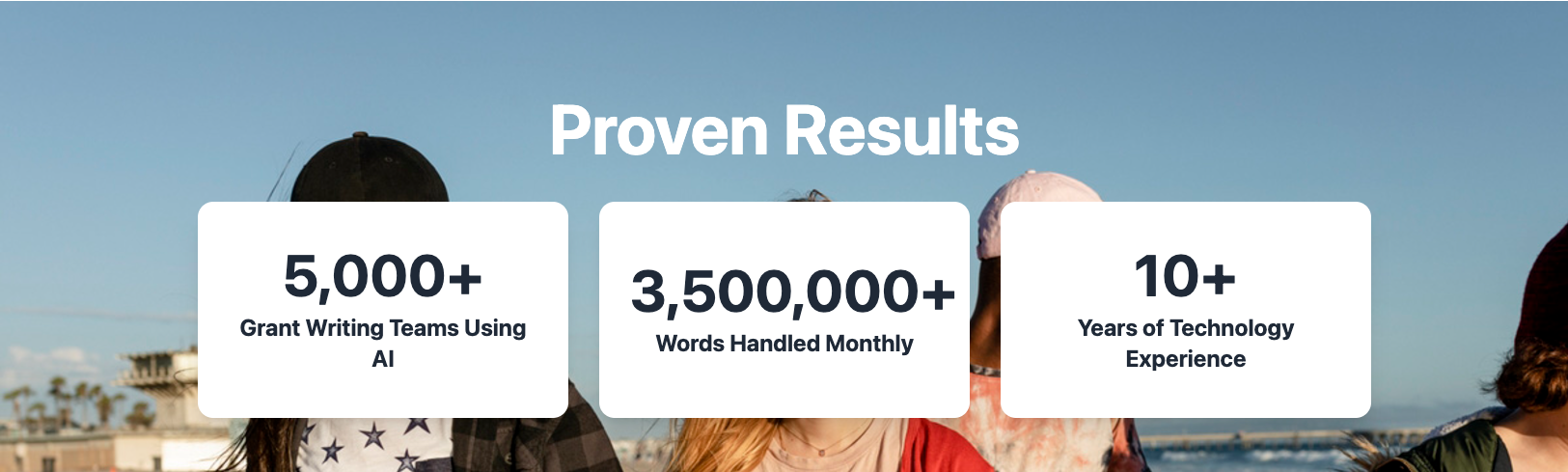
Grantboost is an AI-powered grant writing tool specifically designed to assist organizations in creating grant applications:
-
AI-Powered Grant Writing: Generates tailored grant proposals based on your organization’s details and specific grant opportunities.
-
Grant Opportunity Analysis: Paste or input DHHS grant opportunity details, and Grantboost’s AI extracts and analyzes the information to craft effective responses.
-
Customizable Outputs: AI generates proposal drafts based on industry best practices, which can be easily edited to match your organization’s voice.
-
Collaboration Tools: Enables team members to collaborate on proposals, ensuring a smooth and efficient process.
-
Streamlines Proposal Creation: Saves time and effort, letting you focus on your mission while the AI handles the complex aspects of grant writing.
Budget Development Tools
Create accurate, compliant budgets with these tools:
-
Excel Budget Templates: Customizable spreadsheets with built-in formulas
-
NIH Budget Builder: Specialized tool for NIH grant budgets
-
Grants.gov** Budget Form:** Standard form for federal grant budgets
-
Indirect Cost Rate Calculators: Tools to accurately apply your approved rate
Budget Strategy: Develop a master budget template that aligns with DHHS categories and automatically calculates personnel costs, fringe benefits, and indirect costs.
Grant Management Systems
Ensure compliance and effective implementation with grant management software:
-
AmpliFund: Comprehensive grant management from pre-award to closeout
-
eCivis: Cloud-based grants management system for government and nonprofits
-
Foundant GLM: Grant lifecycle manager for recipients
-
WizeHive: Customizable platform for grant management
Implementation Tip: Select a system that integrates with your existing financial software to reduce duplicate data entry and reporting errors.
Evaluation Tools
Strengthen your evaluation plans with these resources:
-
CDC Evaluation Framework: Step-by-step guidance for public health program evaluation
-
REDCap: Free, secure web application for building and managing surveys and databases
-
SAMHSA Evaluation Tools: Specialized tools for behavioral health programs
-
NIH PROMIS Measures: Validated assessment tools for patient-reported outcomes
Evaluation Strategy: Build evaluation into your program from the beginning, selecting appropriate tools and measures during the application phase.
Now That You Know About DHHS Grants, Meet Grantboost
DHHS grants offer tremendous opportunities for organizations to expand services, conduct research, and improve community health. But as you’ve seen, the application process is complex and competitive.
The good news? You don’t have to navigate this process alone. Grantoost’s AI-powered grant writing platform is specifically designed to help organizations create compelling grant applications in a fraction of the time.
Key Takeaways:
-
DHHS distributes trillions annually across health, human services, and research programs. Because of this its essential to understand their unique requirements.
-
Strategic alignment with agency priorities dramatically increases your chances of funding success
-
Proper grant management is just as important as securing the grant initially
-
AI tools like Grantboost can transform your application process, saving time while improving quality
Ready to transform your DHHS grant applications? Grantboost’s AI assistant can help you create compelling, compliant proposals that stand out to reviewers. Try Grantboost free today and see how much time you can save on your next DHHS grant application!
Ready to take your grant writing up a notch?
For individuals and teams looking to secure more funding with less effort. Streamline your grant-writing process, stay organized, and achieve better results with proven templates and AI-driven support.
Further Reading
- HHS official site
- HHS Grants Forecast
- HRSA grants
- CDC grants
- SAMHSA grants
- Grants.gov (federal funding portal)
- Wikipedia: U.S. Department of Health and Human Services
Disclaimer: Grant programs, eligibility rules, deadlines, and policies vary by region and change frequently. The information in this article is for general informational purposes only and may not reflect the current rules in your area. Always consult a local grant writer or qualified expert in your region for advice specific to your organization, project, and jurisdiction.